Visual/Cognition/Polarity/Universality
視/覚の偏/遍在
Visual/Cognition/Polarity/Universality
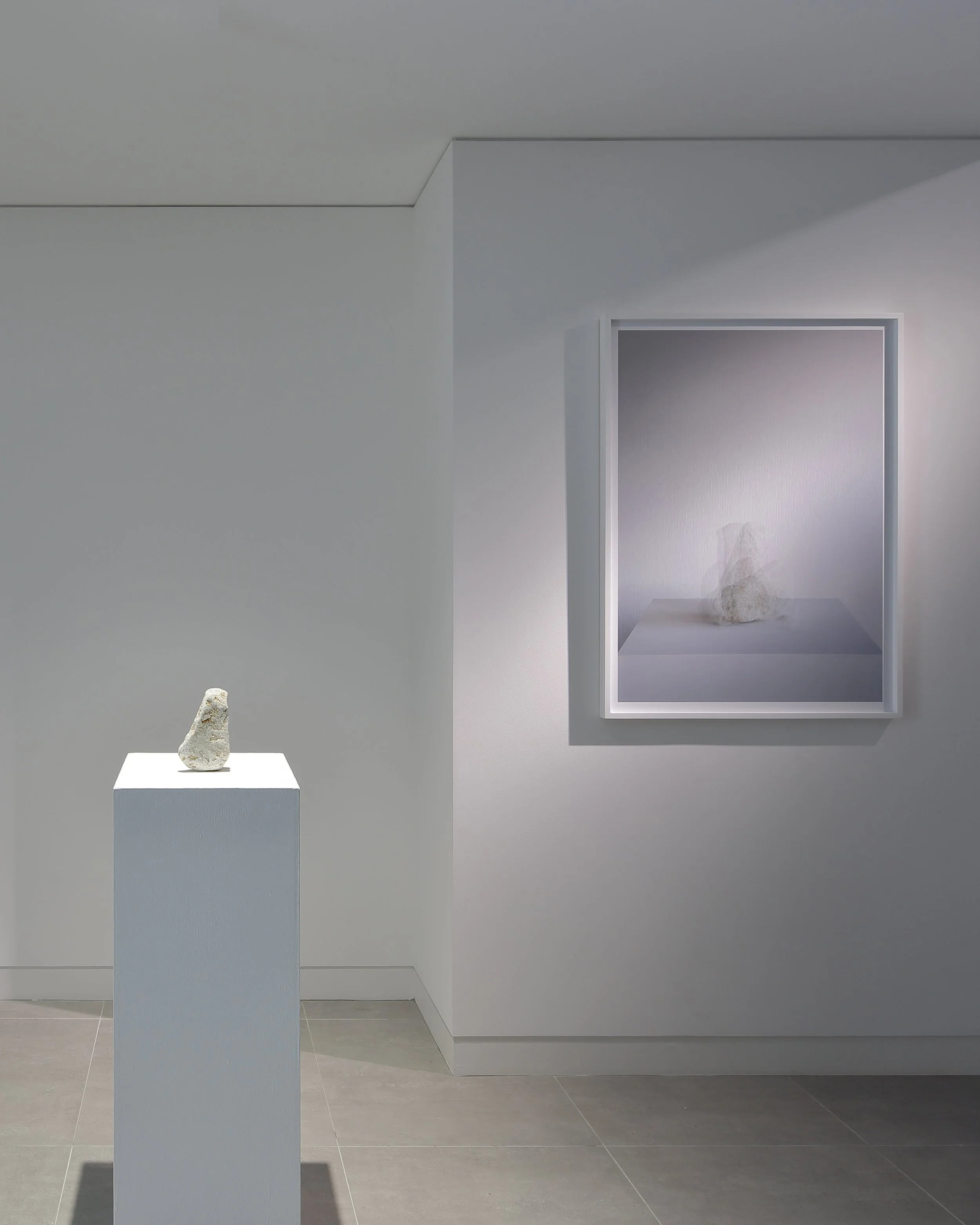
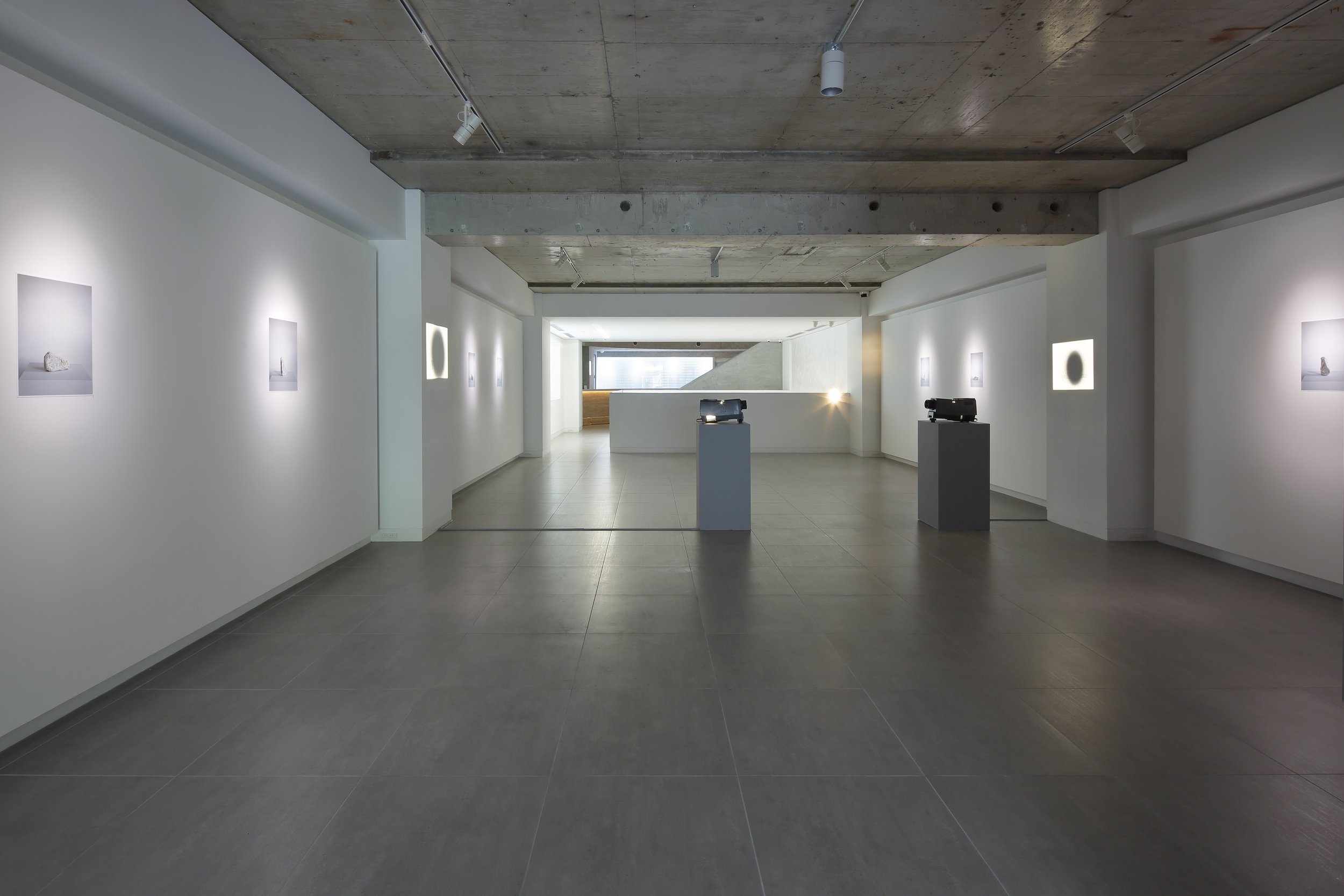
『見る』という行為は、視覚の情報を得、その情報を感覚として認識する一連のプロセスである。この我々の『見る』プロセスには、二つのバイアスによるパラドックスが生じうる。
一つ目は、我々が得た視覚情報をどれだけ現実(リアル)なまま認識出来ているのかという個人内のバイアスである − 時にこれは視覚情報を脳内で補正を行い、実際(リアル)よりも美しく感じさせるといった福音をもたらすこともある。つまり視覚とは、細部に焦点を当て、偏って見ることと焦点をぼやかし遍く認識する事から成り立っている。
二つ目は、現実(リアル)から得た視覚情報を他人と同様に認識出来ているのかという個人間のバイアスである − これは主客の一致の問いを越えて、なぜ我々は同一のものを見ていると感じるのかという現象学的な問いへと発展する。個々に認識しているものが偏っているという確信と、遍く多くの人が同じものを認識している確信とが並存していると云える。
2020年6月、緊急事態宣言が解除されて直ぐ、私は自然を求めて砂丘を訪れた。
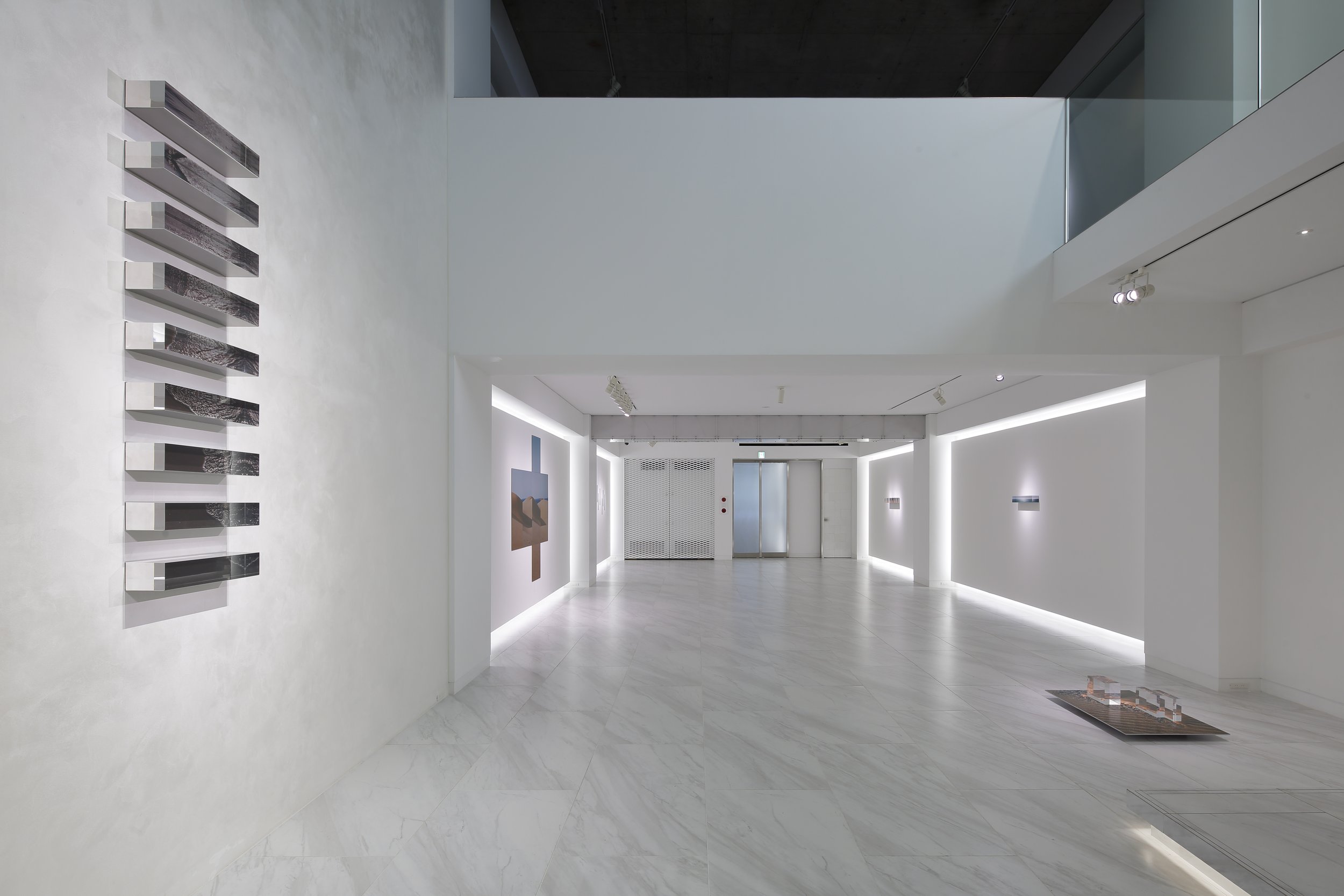
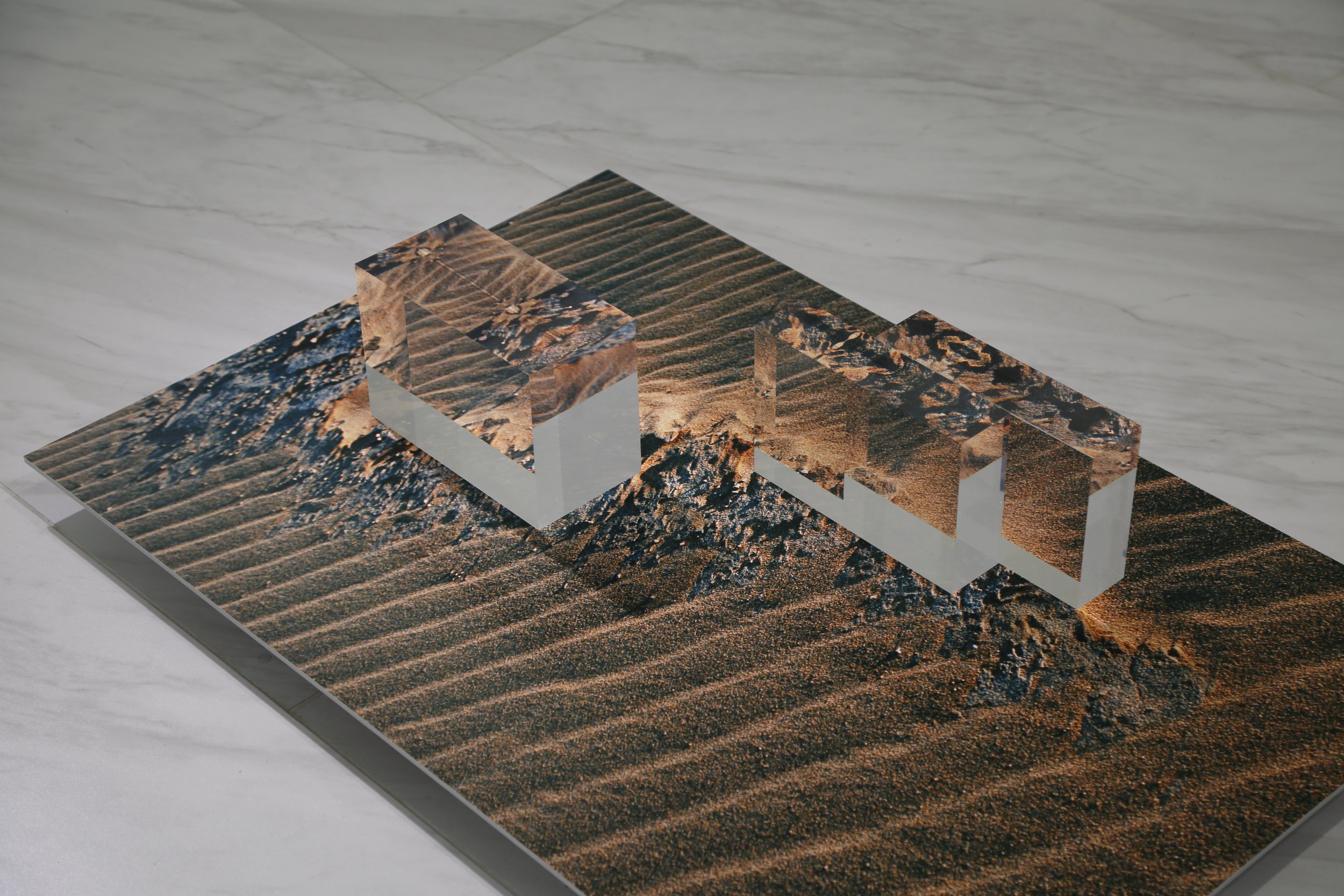
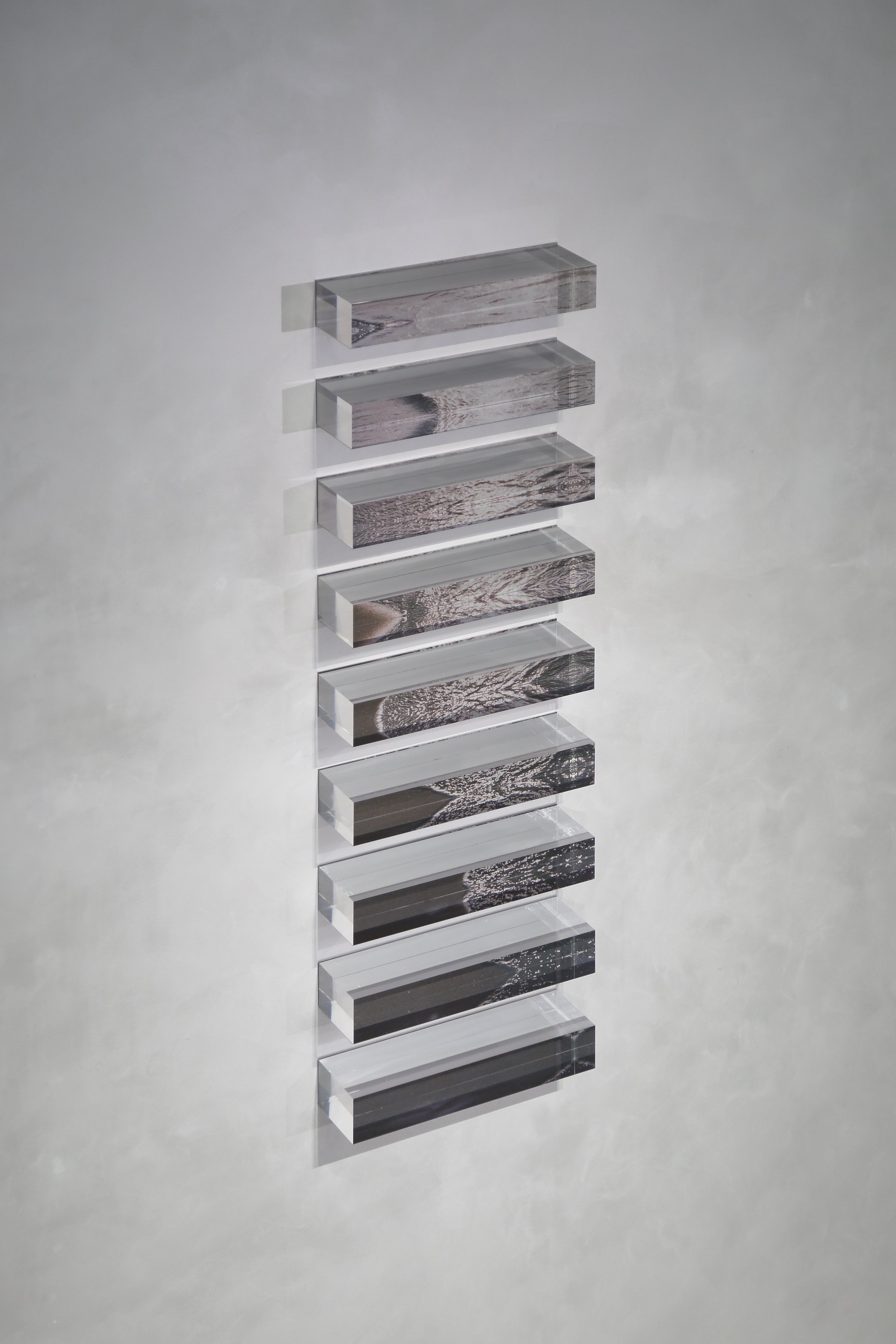
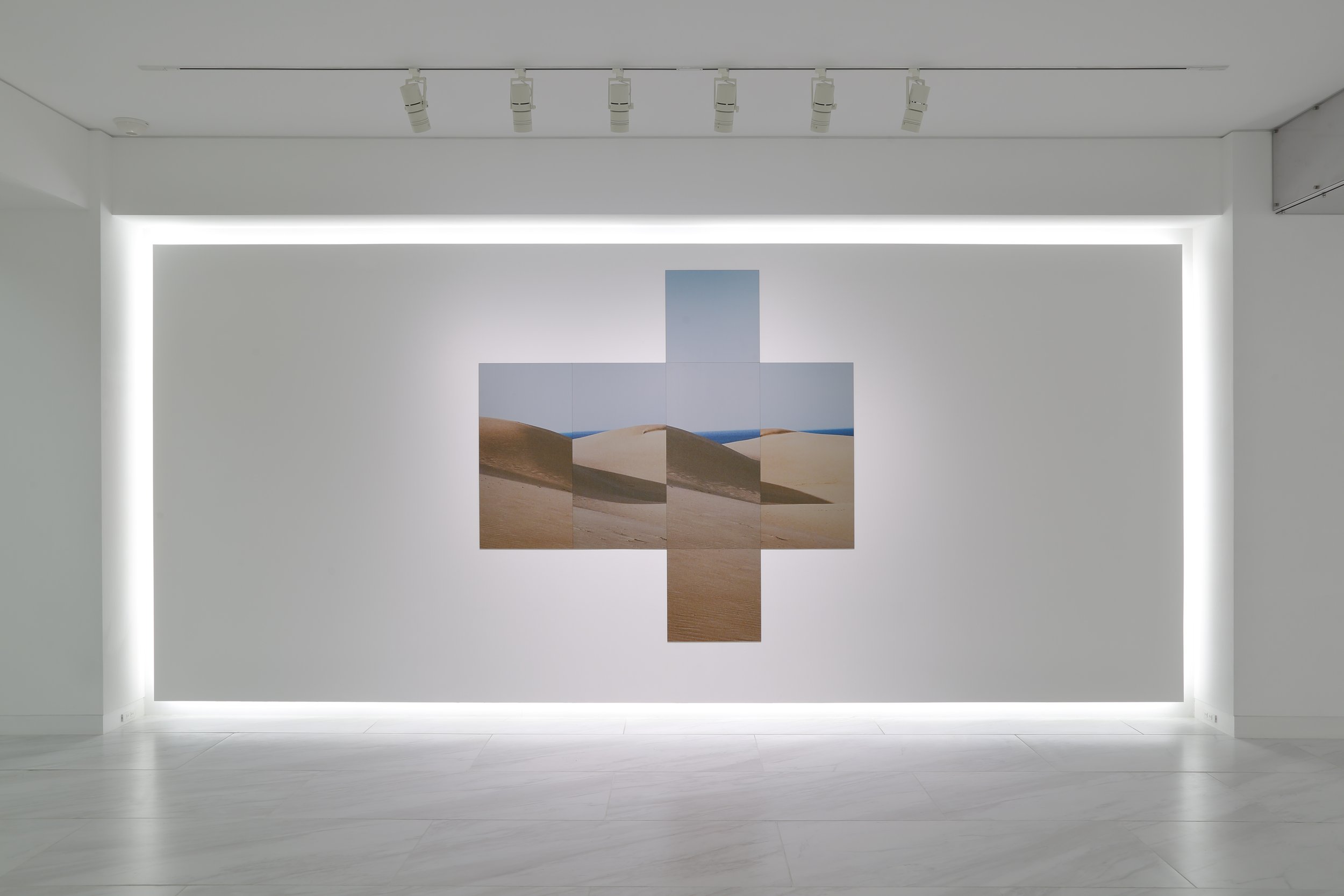
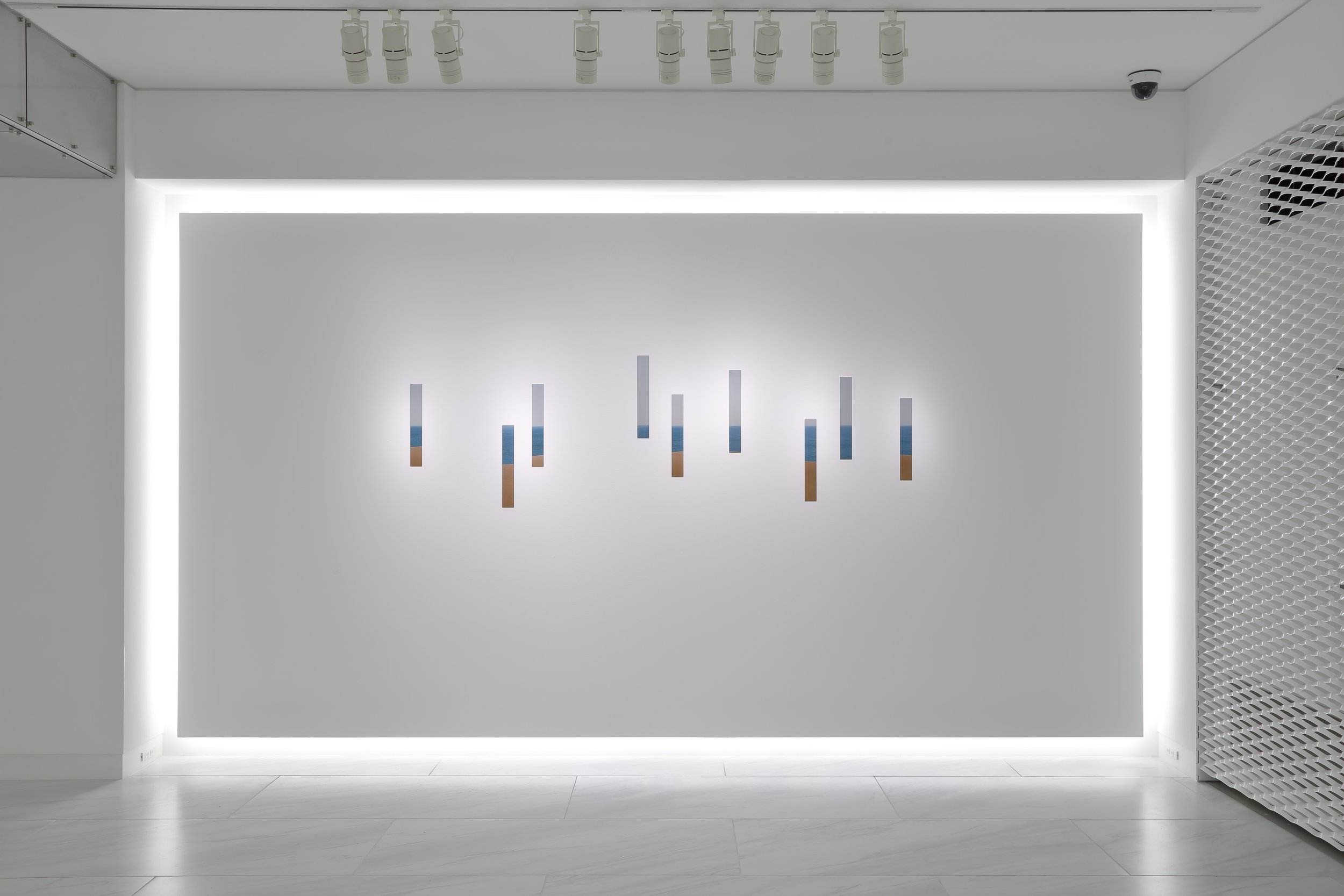
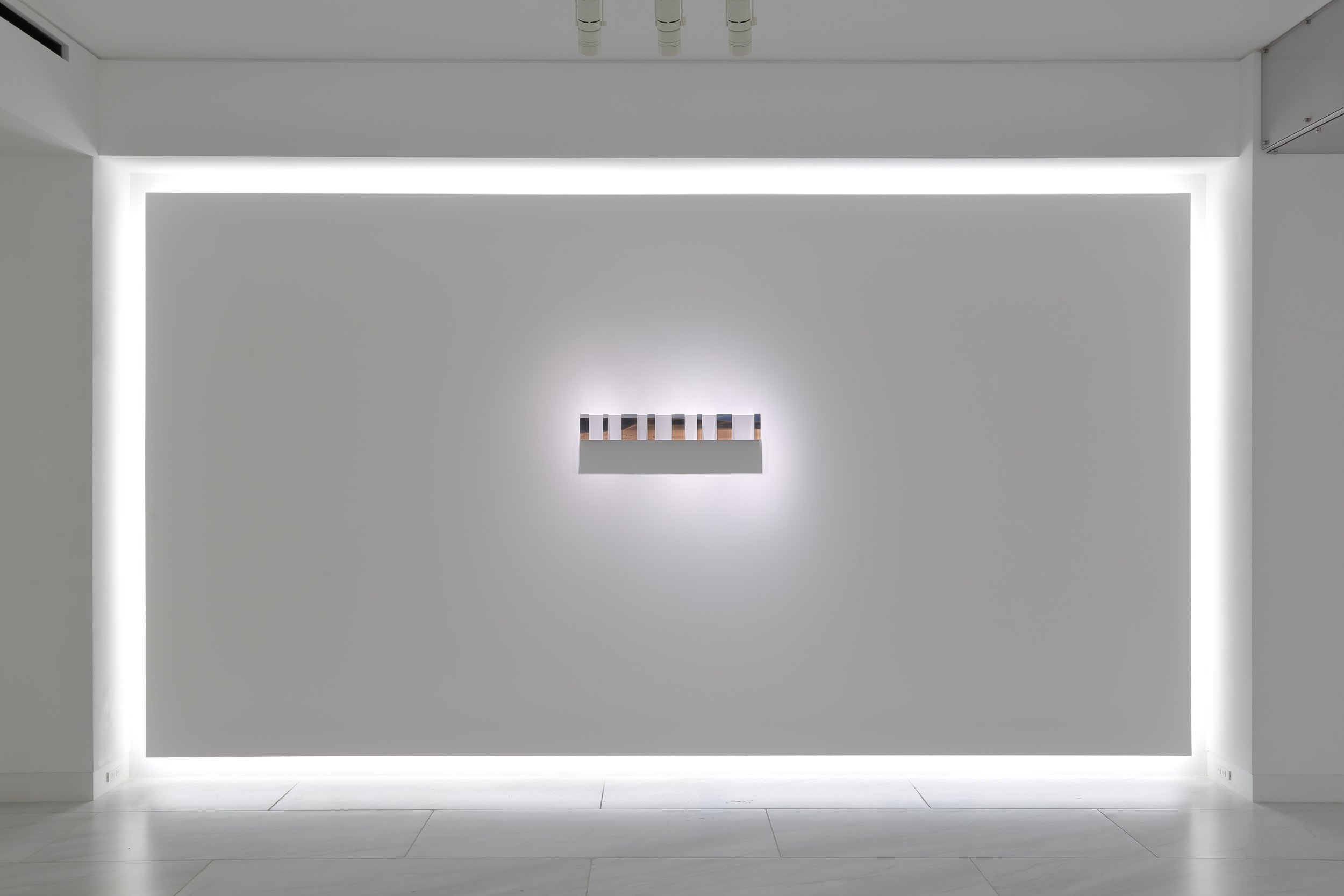
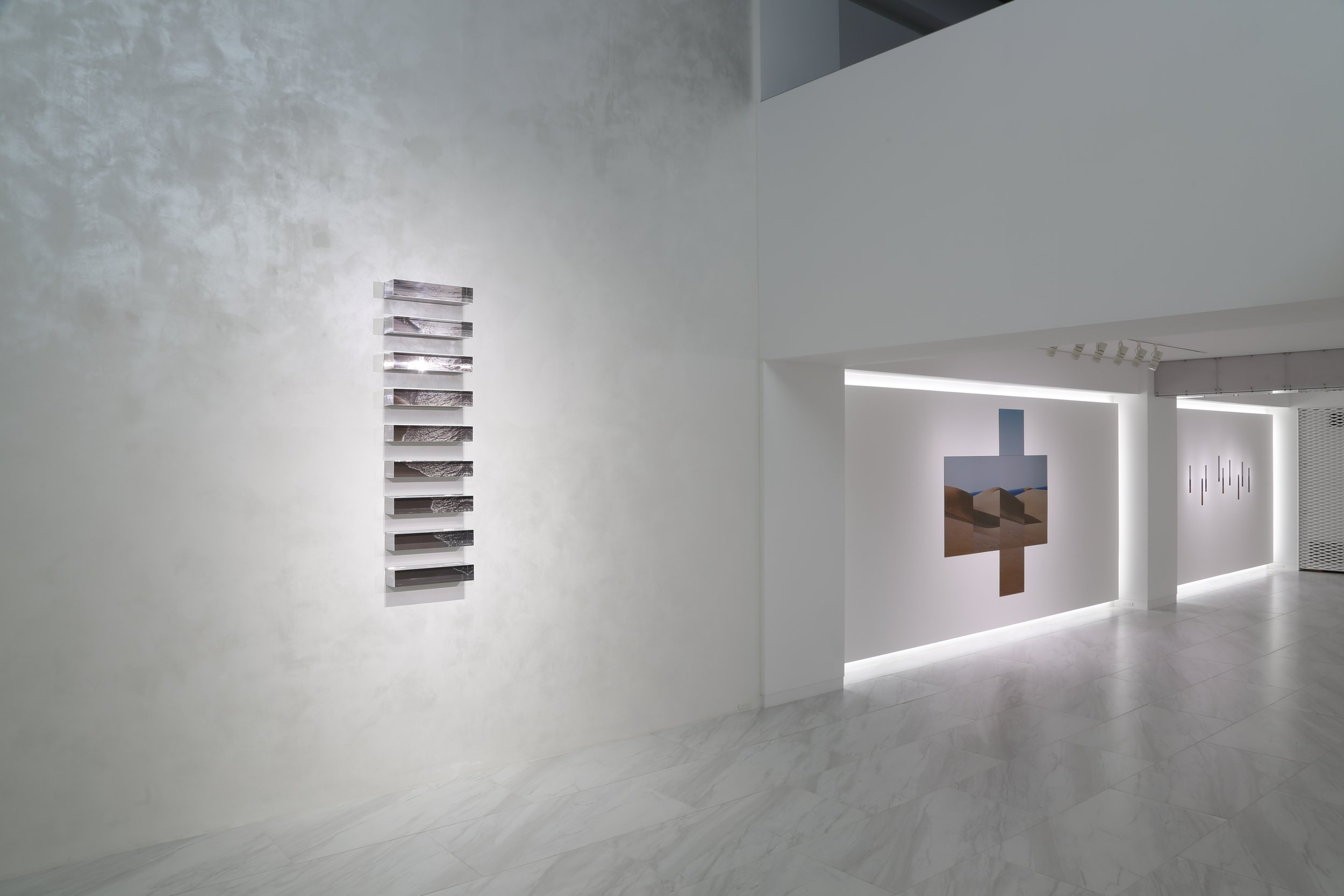
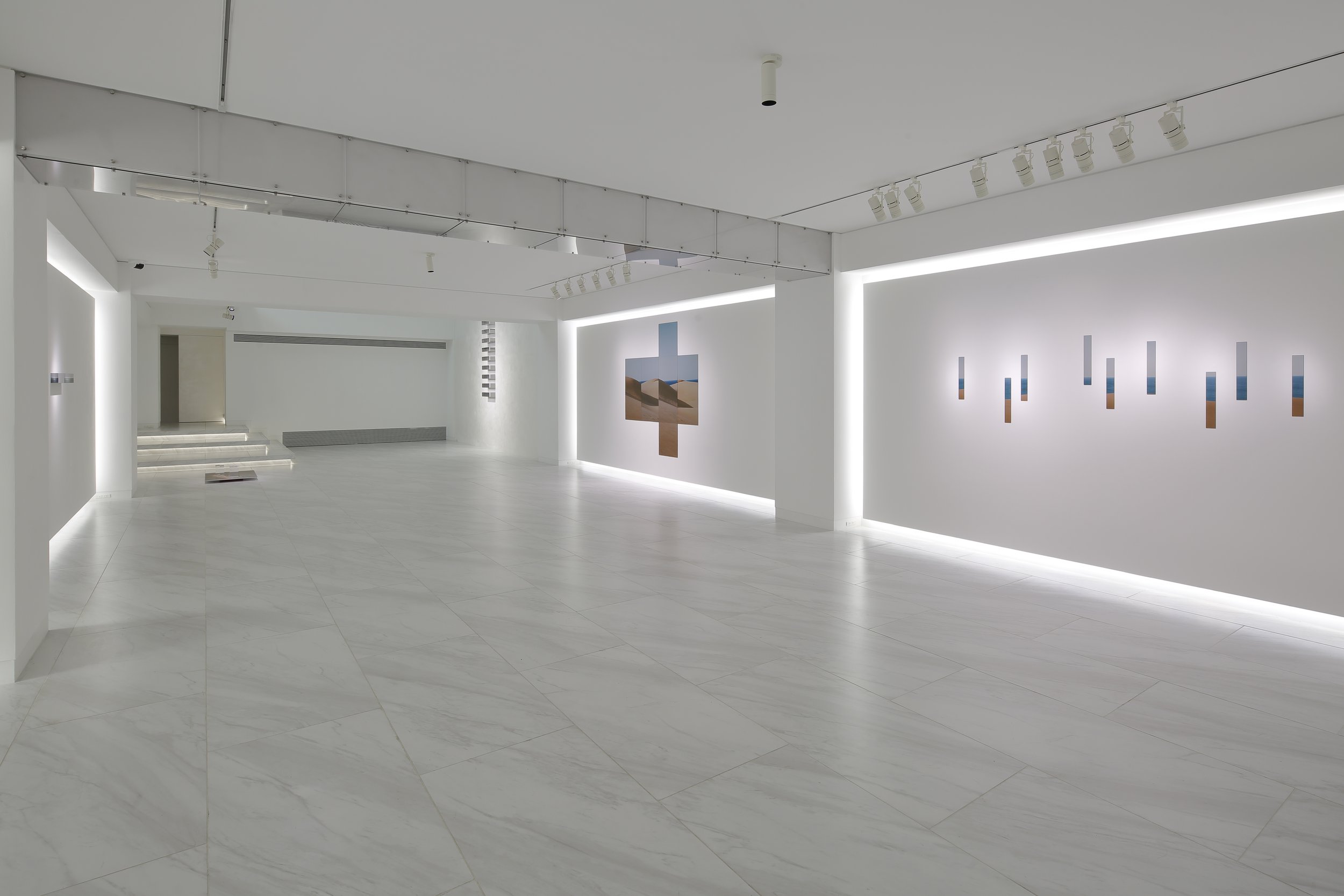
そこには、視界を遮ることのない悠々と拡がる広大な砂地の景色がぼんやりと蜃気楼のように立ち現れ、更に遠くに目を向けると、どこまで行っても接することのない空と海の境界線(地平線)が見えた。足元には、砂によって可視化された風の痕跡や波の粒子など、どこまでも解像度の高い自然風景の断片を切り取ることが出来た。目の前に拡がる広大な景色とファインダー越しに見る限定的な視覚情報の差異は、視/覚のズレを生じさせる。そうして脳内で再構成された砂丘は、現実を超えた美しさであった。
時折、ものを見ていると視覚を越えた感覚が認識されることがある。時に『もの』は、我々個人の中に視/覚を通じて独自の認識を形成する。しかしその時、我々は、他人と同じ『もの』を見ているのだという確信も同時に持っている。これらの視/覚の偏/遍在は、あたかも心/信条の在り方と同様ではないだろうか。
Covid-19やロシア・ウクライナ戦争など、様々な心情や信条の分断が生じている現状において、視/覚の偏/遍在を体感しつつも、それでも同じ『もの』を『見る』ことへの可能性を提示したい。
-
Visual/Cognition/Polarity/Universality
The act of seeing is a continuous process in which visual information is received through the eyes and interpreted by perception. Within this process lie two paradoxes, each shaped by a different kind of bias.
The first is an intrapersonal bias: to what extent are we able to perceive visual information as it truly exists? The brain constantly corrects and reconstructs what we see, at times allowing reality to appear even more beautiful than it actually is. Vision, therefore, is composed of two simultaneous modes of perception: one that isolates and focuses on details, and another that softens focus to perceive the whole.
The second is an interpersonal bias: do different people perceive the same visual information in the same way? This question extends beyond the philosophical problem of subject and object toward a phenomenological inquiry: why do we believe that we are seeing the same world? We live with two seemingly contradictory convictions—that each person's perception is inevitably subjective, while at the same time believing that many people share a common vision of the same reality.
In June 2020, shortly after Japan's state of emergency was lifted, I visited a sand dune in search of nature.
Before me stretched an immense landscape of sand, uninterrupted by any obstacle, shimmering softly like a mirage. Beyond it lay the horizon, where the sea and sky appeared to meet while never truly touching. At my feet, traces of the wind etched into the sand and the granular textures left by waves revealed fragments of nature with extraordinary precision.
The contrast between the vast landscape before my eyes and the limited field framed by the camera viewfinder created a subtle discrepancy between vision and perception. The sand dune reconstructed within my mind became more beautiful than reality itself.
At times, looking at an object evokes sensations that extend beyond vision. What we see forms a unique perception within each individual through the act of seeing itself. Yet simultaneously, we remain convinced that others are looking at the very same object.
Might this coexistence of the particular and the universal in vision mirror the coexistence of our individual emotions and collective beliefs?
At a time when the world is increasingly divided by differences in values and convictions—as seen in the aftermath of COVID-19 and conflicts such as the war between Russia and Ukraine—I hope this work offers an opportunity to experience both the subjectivity and universality of perception. While acknowledging that each of us inevitably sees differently, the work asks whether it is still possible for us to truly see the same world together.
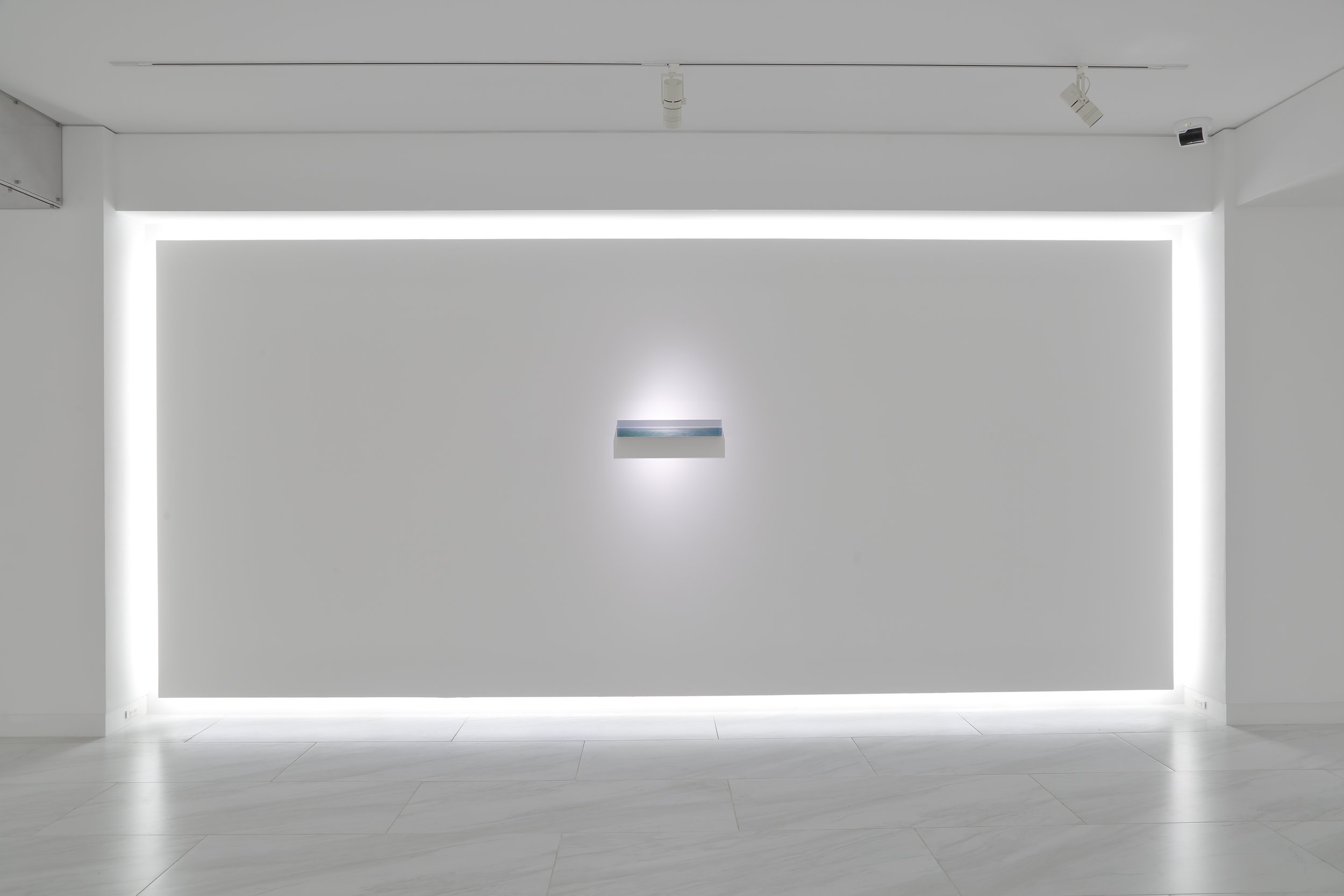
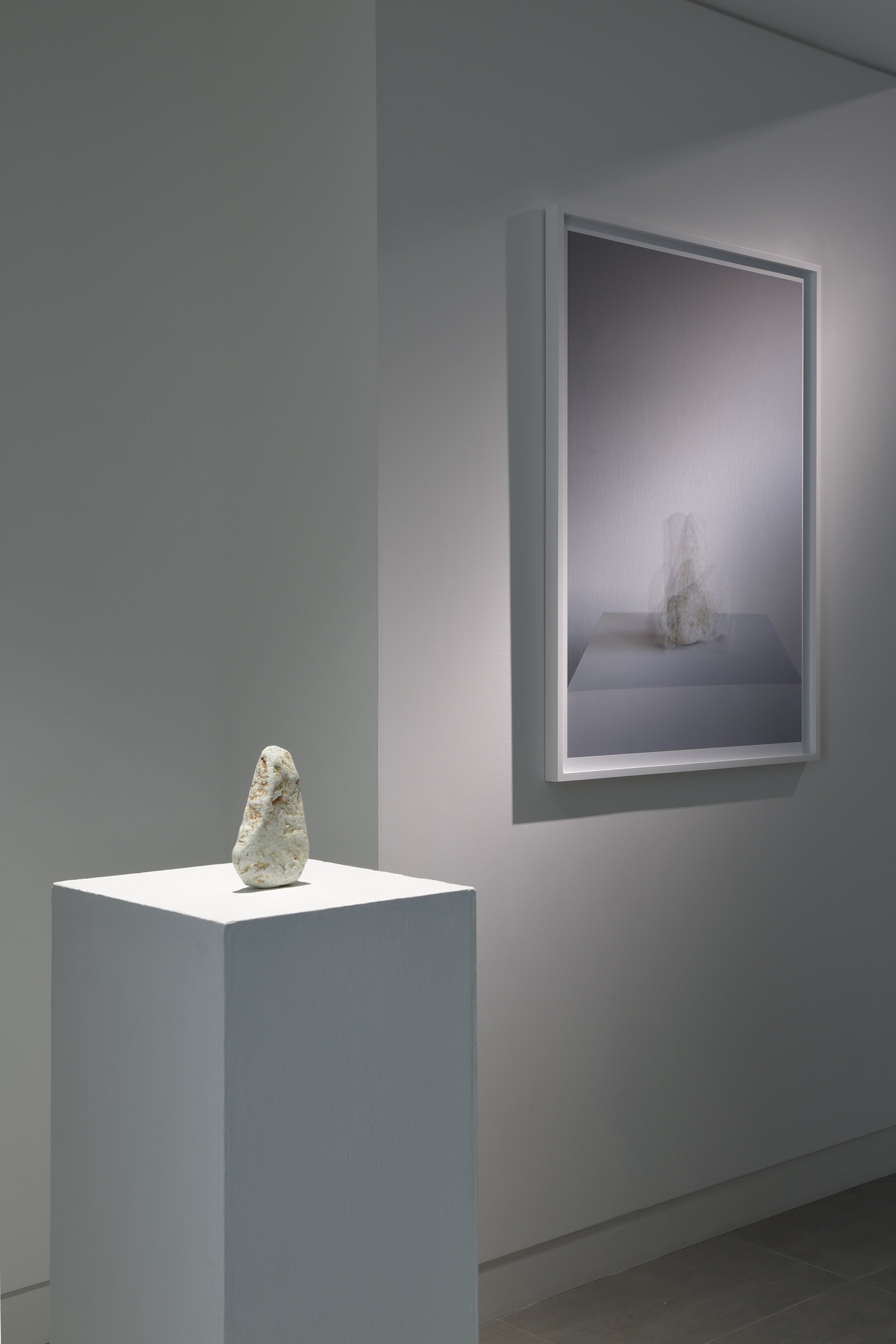
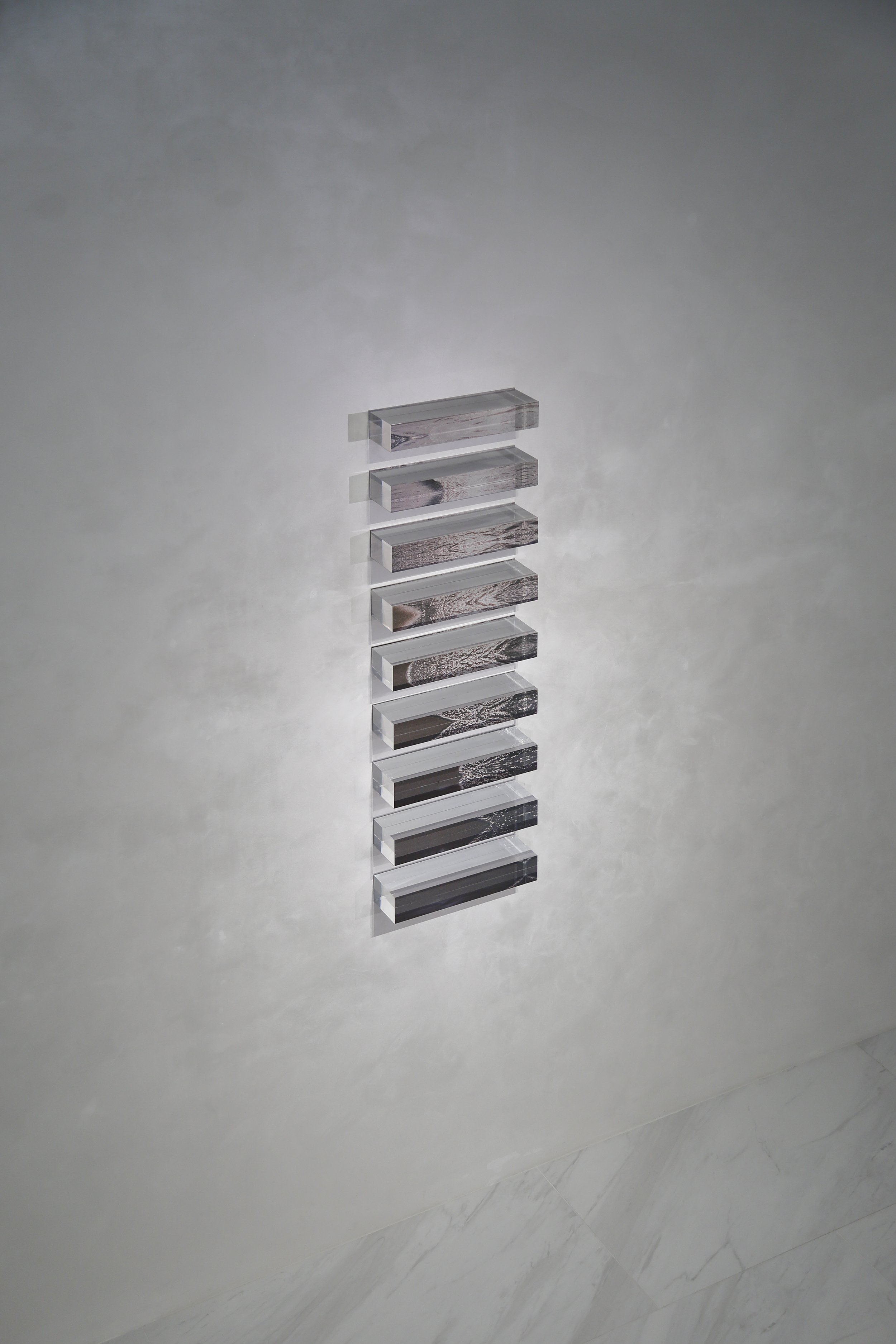
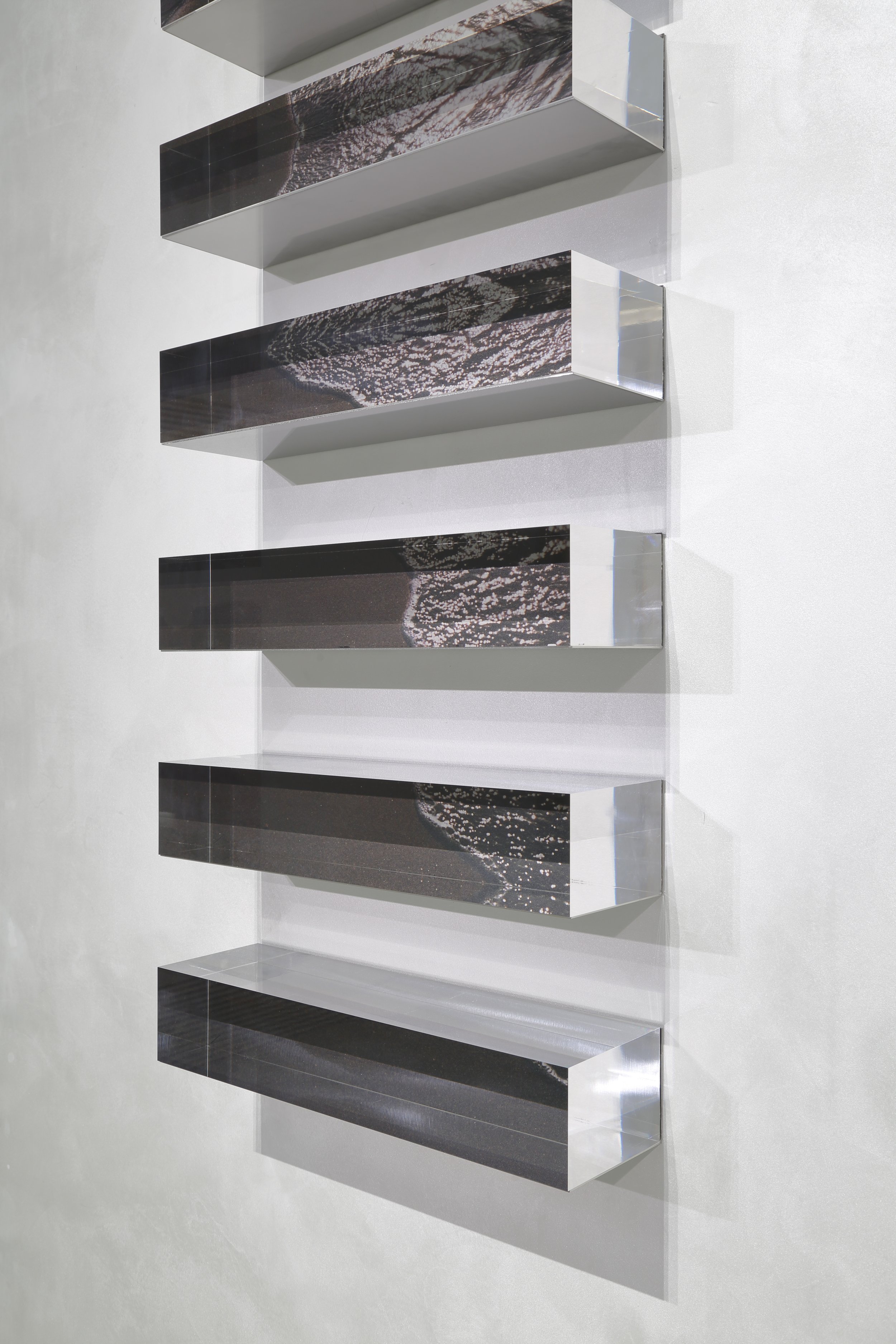
Venue : √K Contemporary
Location : Tokyo
Date : 2022. 4. 29 FRI. – 5. 28 SUN.
Organizer : √K Contemporary
Cooperation : FLAT LABO