For/am Follows Function
加波島は、韓国南部に位置する済州島のさらに南に浮かぶ小さな離島であり、徒歩約一時間ほどで一周することができる。島には山も大きな樹木もなく、身体を吹き抜ける風や太陽の移ろい、潮の満ち引きといった自然現象を、遮るものなく全身で感じることができる。太陽は海から昇り、海へと沈み、その光は絶えず海面や火山活動によって形成された地形を変化させる。漂着物や海洋ごみもまた、この島の風景を構成する要素となり、それぞれが異なる時間や場所の痕跡を携えながら島へと流れ着いている。
島を歩いていると、岩肌に無数の穴が開いていることに気づく。それらは貝類が長い時間をかけて穿った痕跡であり、岩の隙間にはそこを住処とする生物が生息している。一方で、海岸には漂着したプラスチックごみを住処として利用する貝類の姿も見られる。生物は環境を選ぶのではなく、与えられた環境に適応しながら生存しているのである。
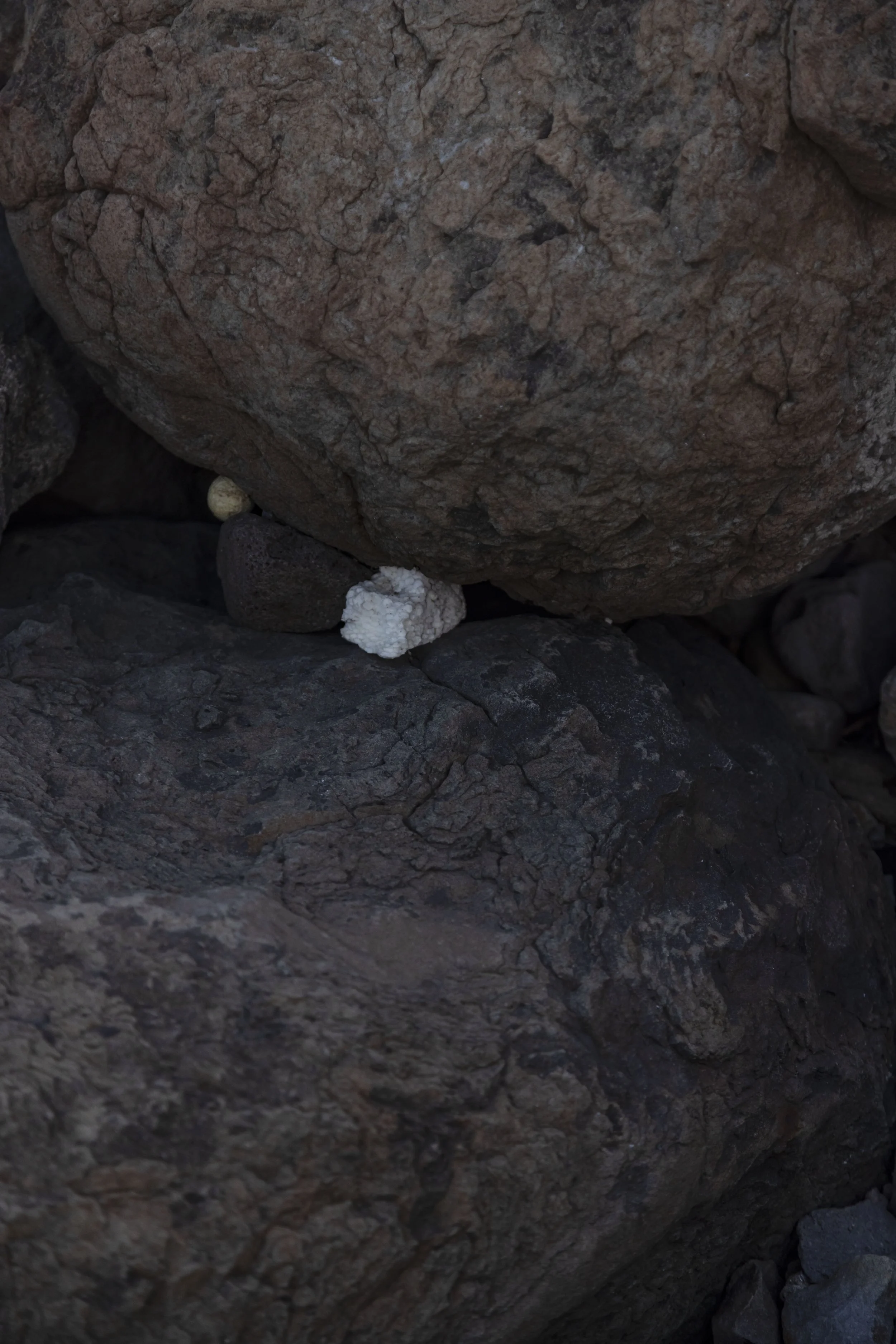
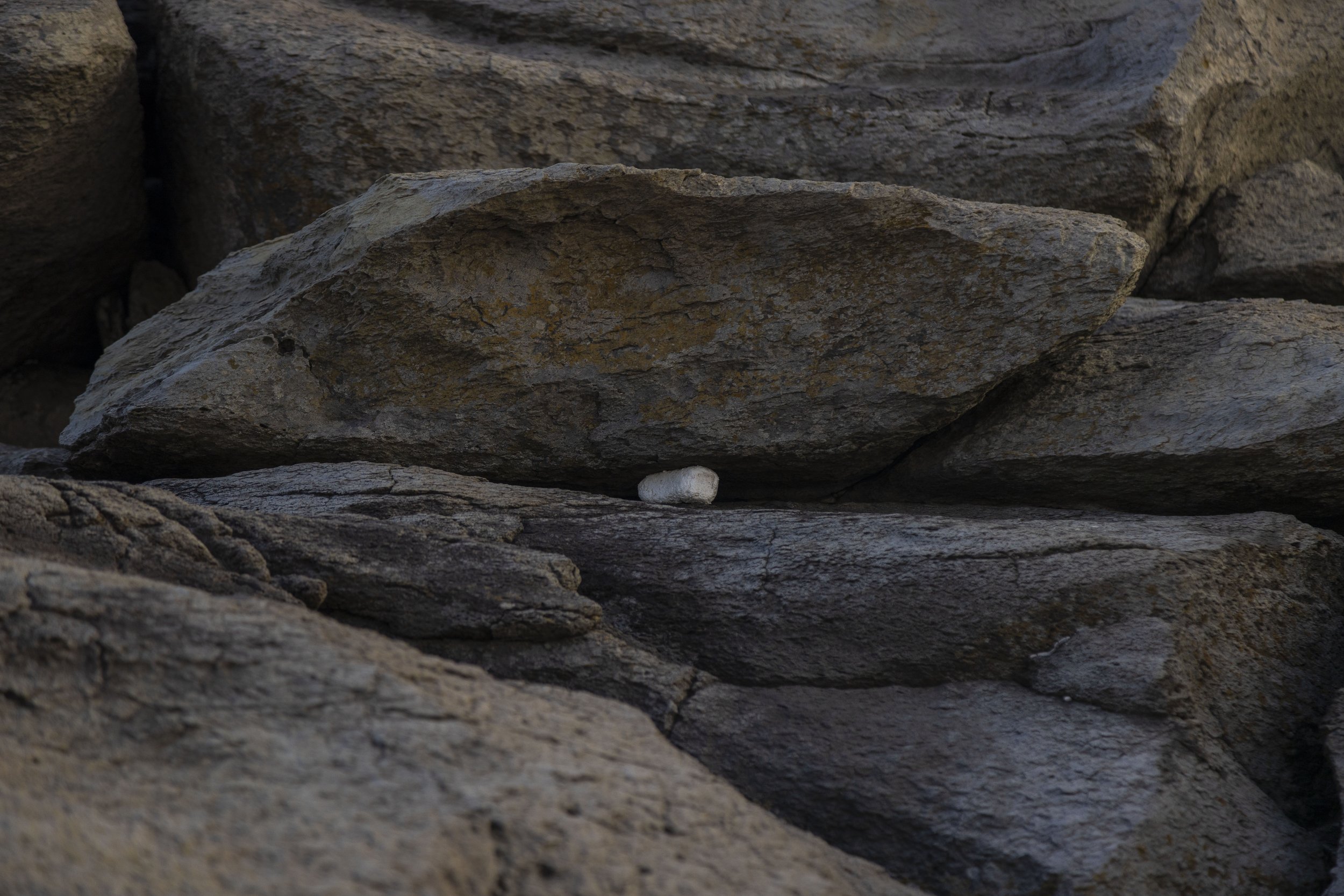
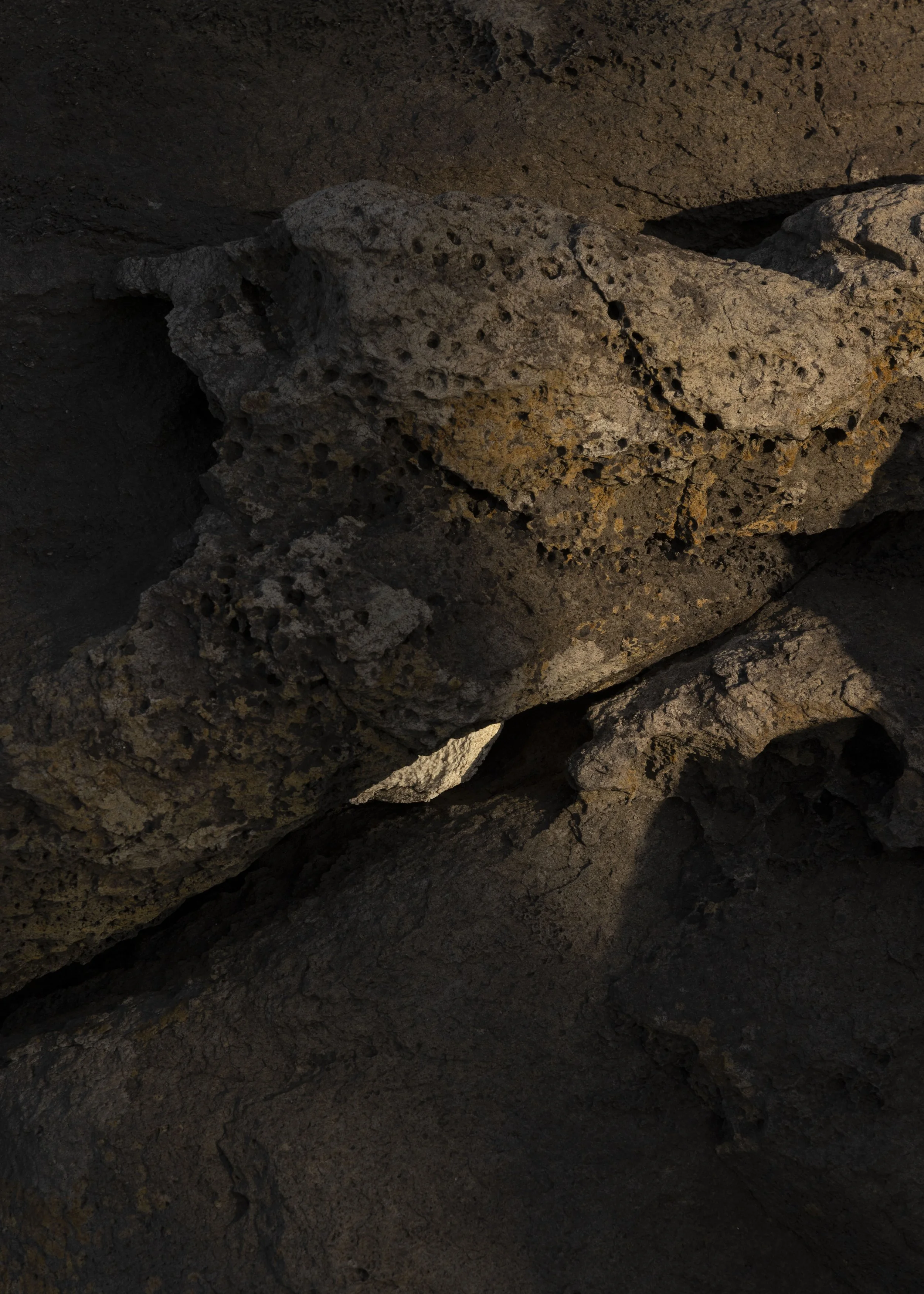
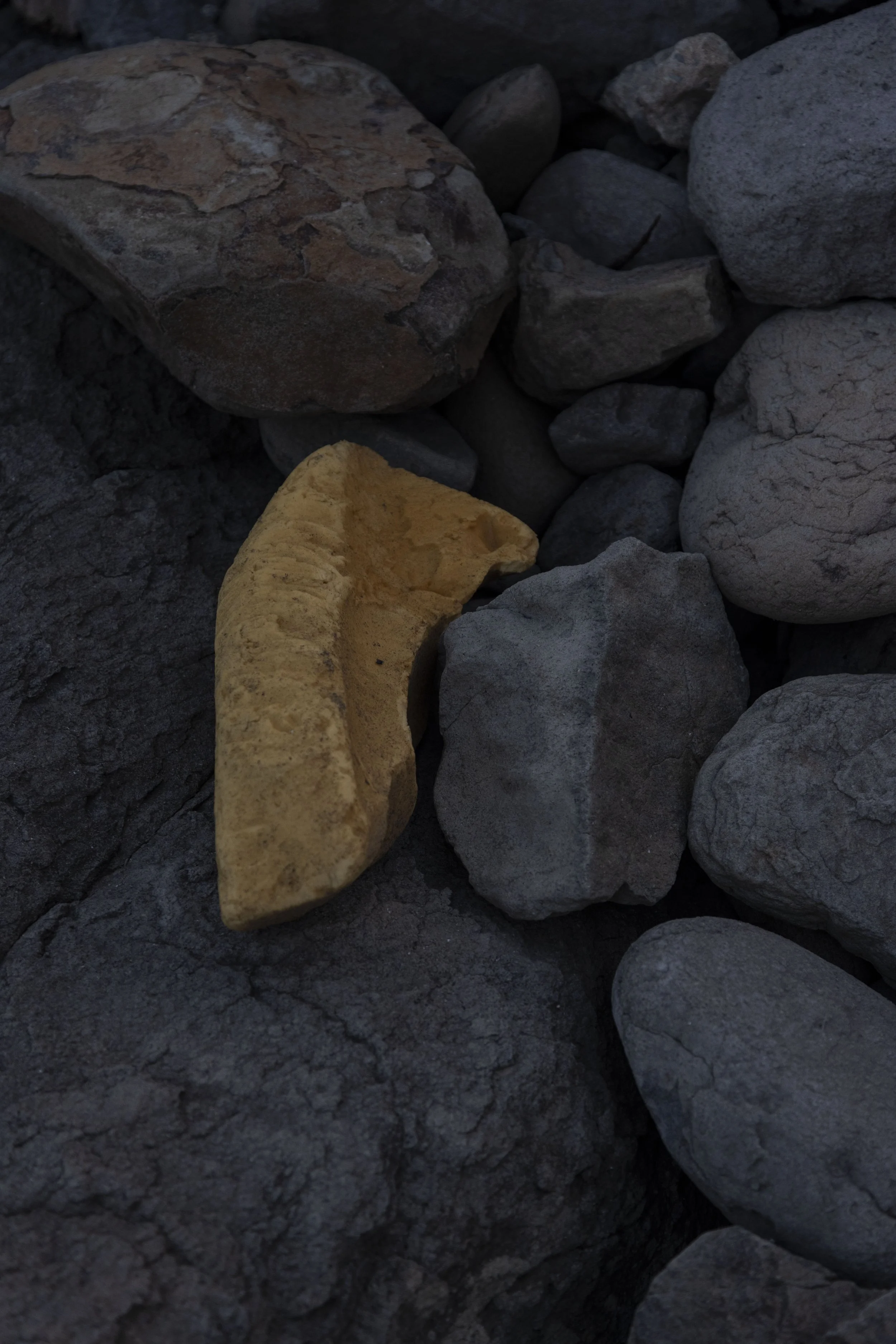
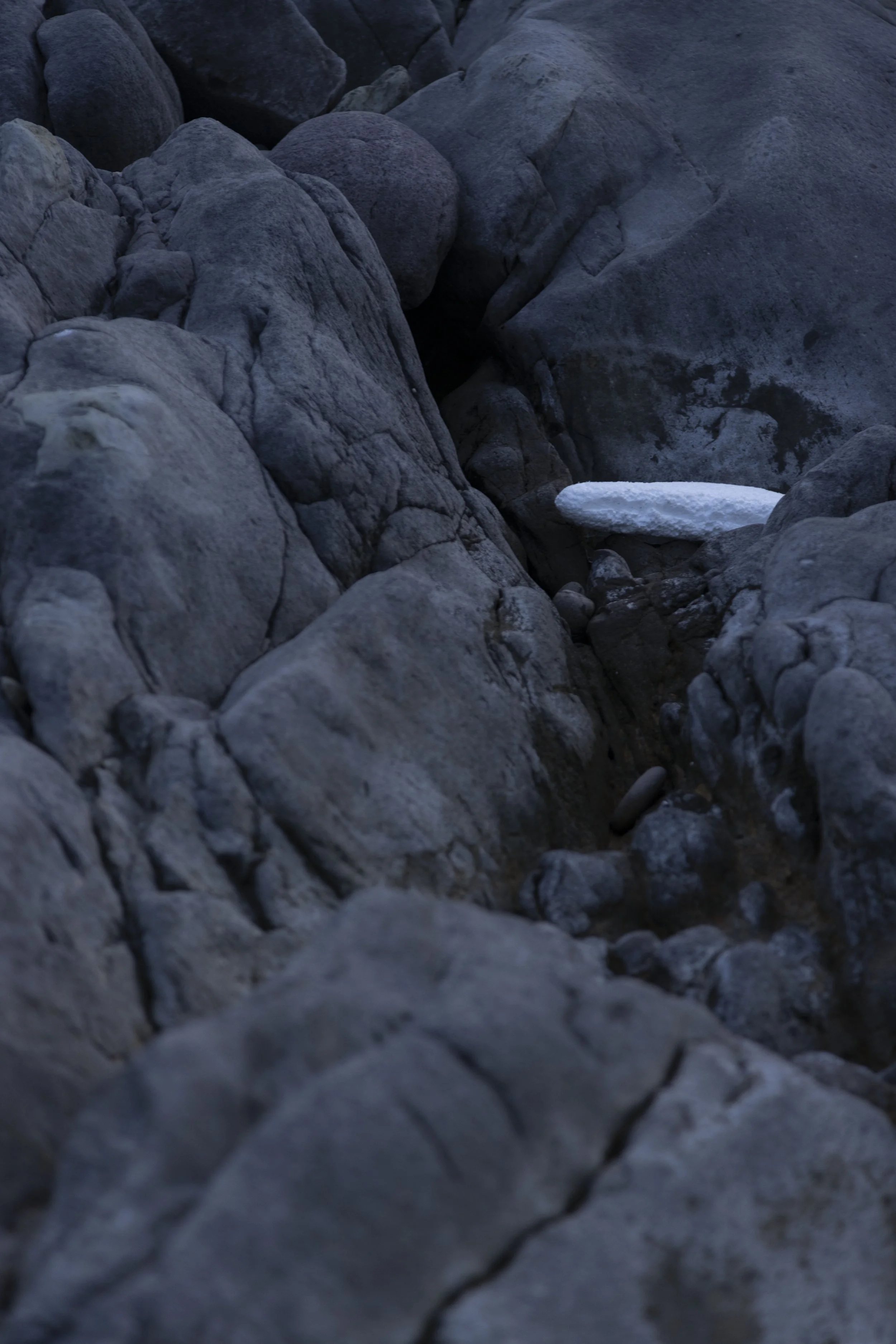
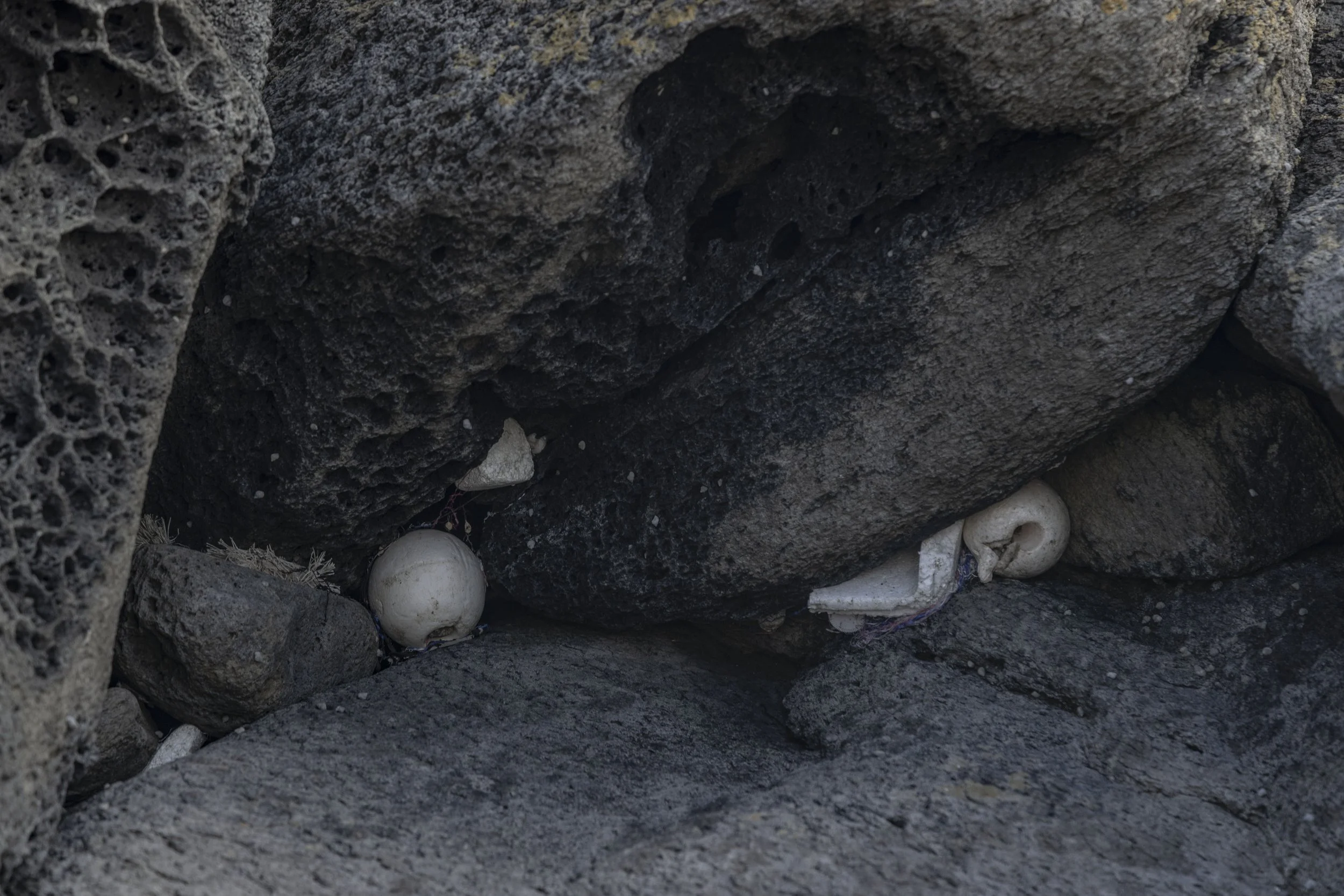
毎朝、海岸には漂着ごみの清掃が行われる。しかし、絶えず流れ着く漂流物を完全に取り除くことはできない。その中でもスタイロフォーム(発泡スチロール)は、岩の隙間に挟まれ、波や風、太陽光によって徐々に輪郭を削られながら、やがて石のような質感を獲得していく。本来は人工物であるにもかかわらず、それは自然環境へと同化し、風景の一部として存在していた。
「Form Follows Function(形態は機能に従う)」という言葉がある。これはアメリカの建築家ルイス・サリヴァンによって提唱された理念であり、形態は機能から必然的に導かれるという思想である。本作では、この概念を自然環境へと拡張して考えている。
もし形態が環境への応答によって形成されるのであれば、石のように風化したスタイロフォームもまた、その環境に適応した一つの「形態」と捉えることができる。ここで岩は社会環境のメタファーであり、輪郭を削られたスタイロフォームは、多様な社会の中で自己を変容させながら生きる人間の姿を象徴している。それは社会に適応しようとする過程で自己の輪郭を失い、不安定な自尊心を抱えながら存在する私たち自身の比喩でもある。
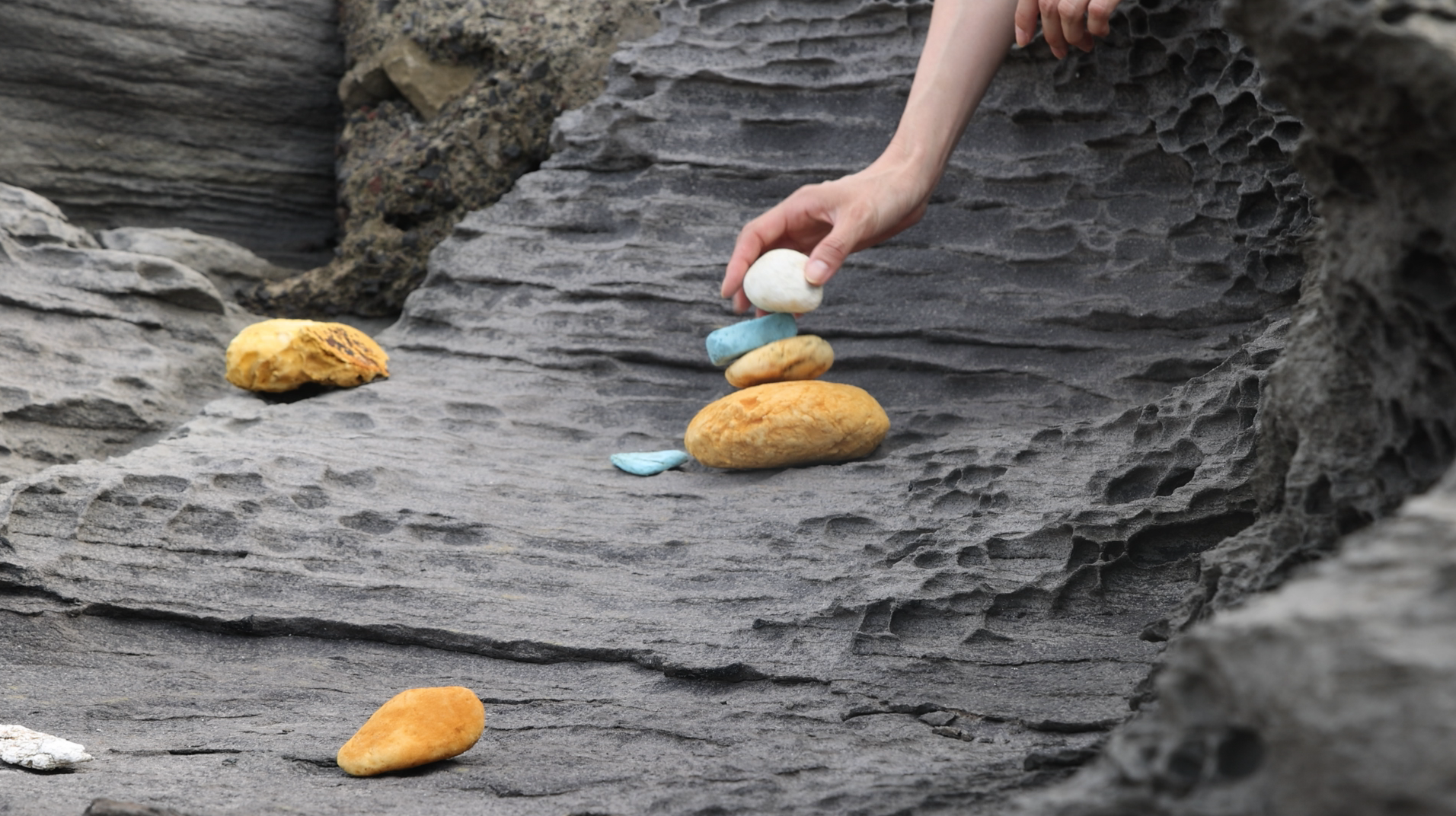
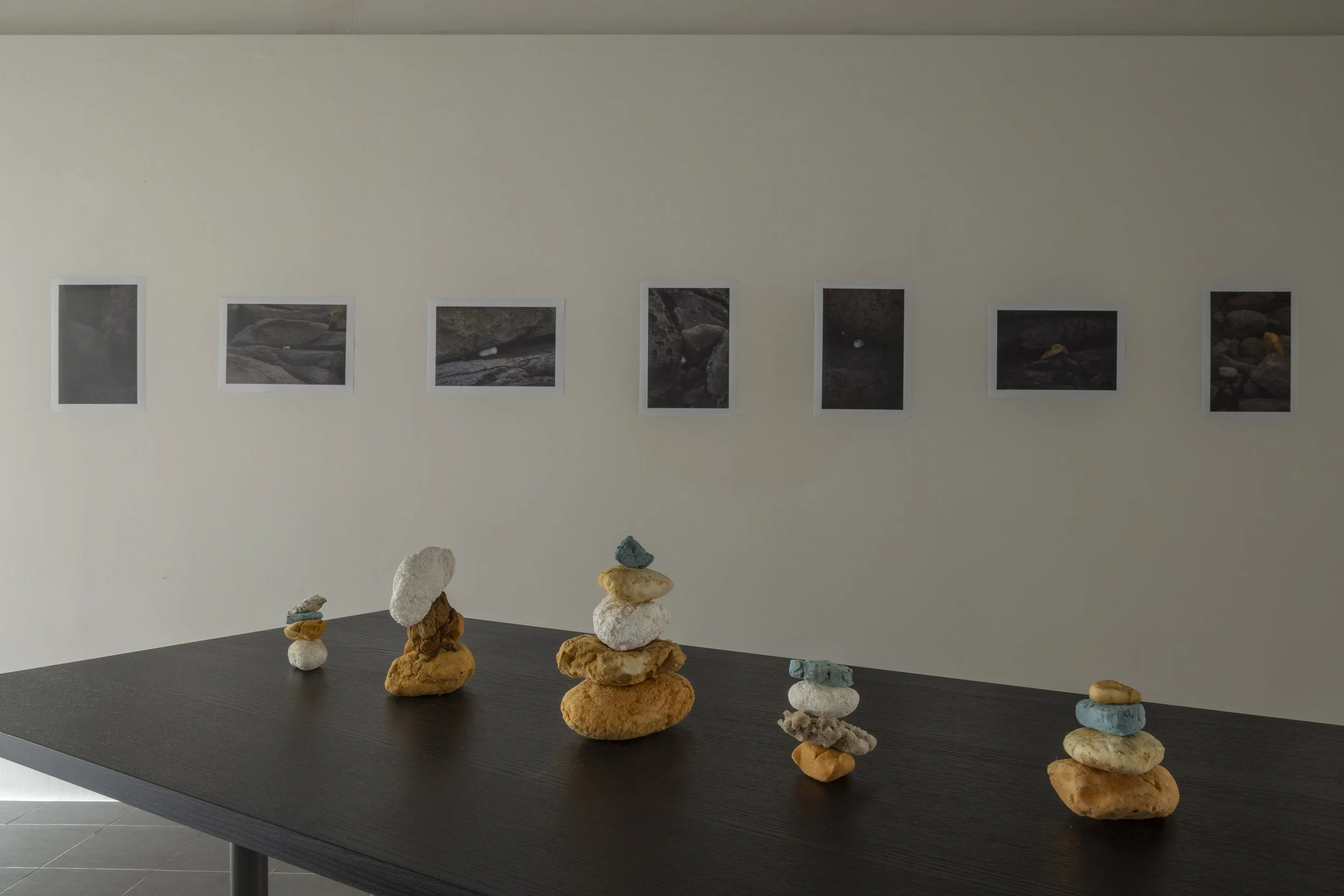
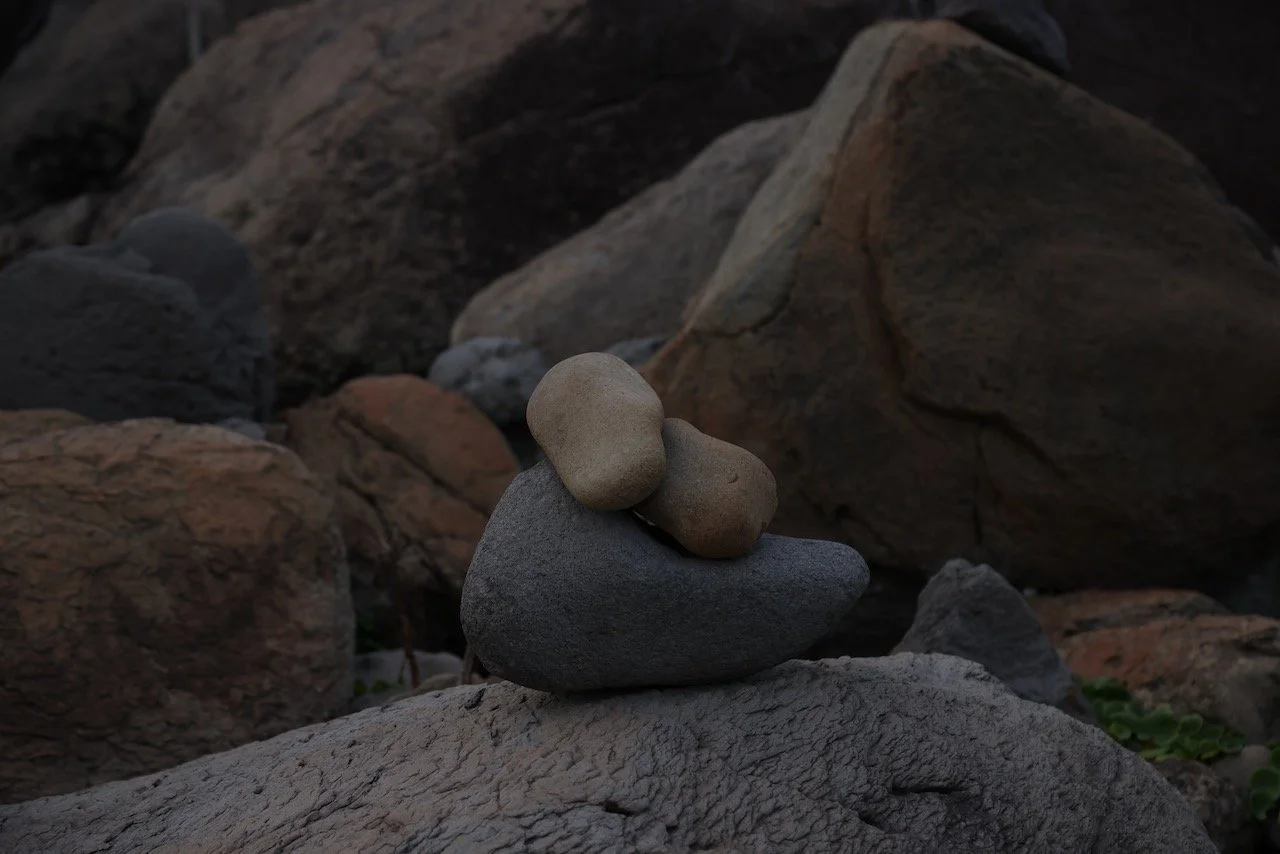
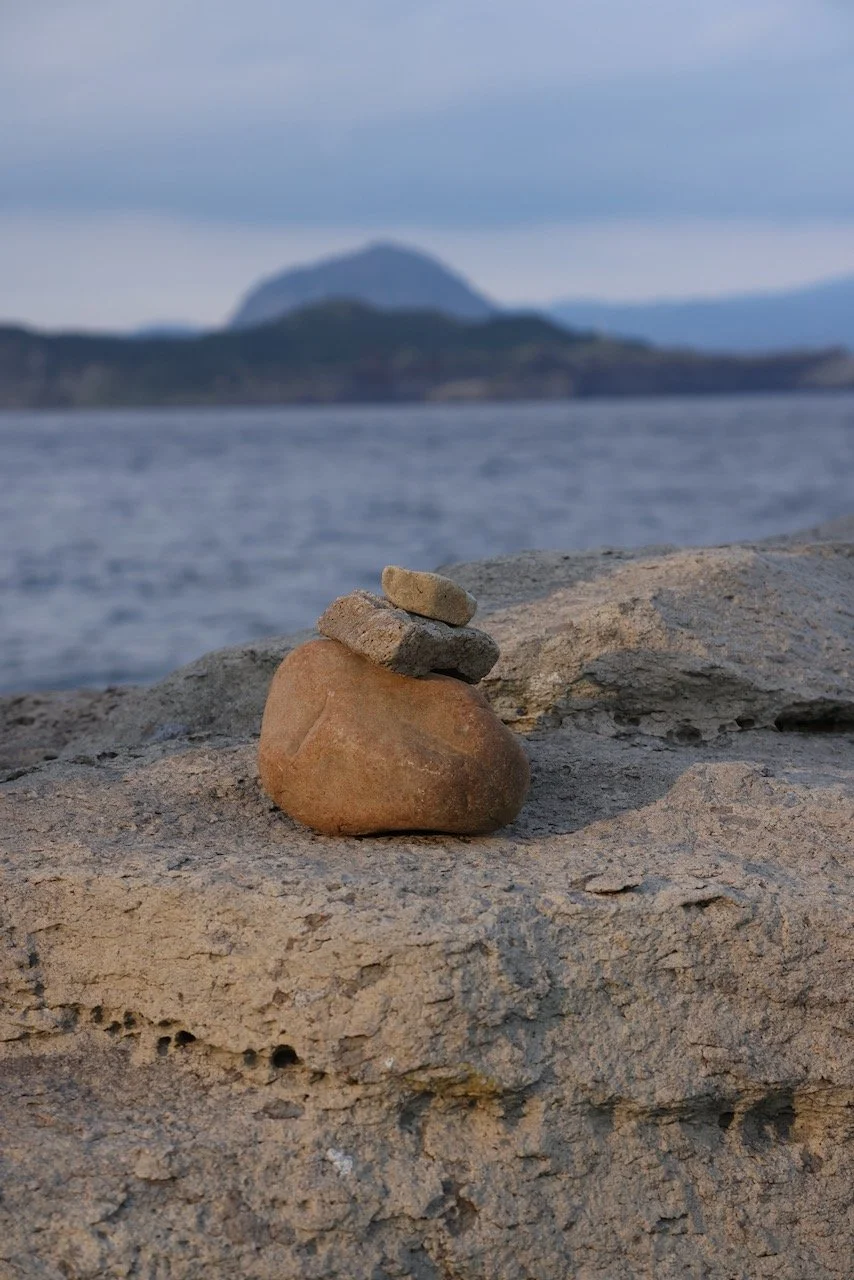
島には観光客によって積み上げられた石が数多く残されている。石積みは、その土地を訪れた痕跡であり、「ここに存在した」という身体的な記録である。しかし、本作で用いるスタイロフォームは極めて軽く、風によって容易に崩れてしまう。鑑賞者はそれらを自由に積み上げることができるが、その行為は同時に、社会の中で築き上げた自己や自尊心が、わずかな外的要因によって容易に揺らぐことを身体的に体験する装置となる。
一方で、岩の間から取り出したスタイロフォームを観察すると、同じ形のものは一つとして存在しない。環境によって削られ、変形した後にも、それぞれ固有の形態が残されているのである。
「Form Follows Function」という思想は、生物学的にはラマルクの用不用説とも通じる側面を持つ。しかし、その理論は今日の遺伝学によって否定されている。すなわち、環境への適応は個性を消し去ることを意味しない。むしろ生物の世界では個体差こそが多様性を生み、その多様性が進化と生存を支えている。
本作は、漂着したスタイロフォームを通して、環境への適応と自己の変容、そして多様性の価値について問い直す試みである。社会に適応しながらもなお失われることのない個性とは何か。その問いを、自然と人工物が交錯する加波島の風景の中から立ち上げようとしている。
-
Form Follows Function
Gapado is a small island located south of Jeju Island, off the southern coast of South Korea, and can be circled on foot in approximately one hour. With no mountains or large trees, it offers an unobstructed experience of natural phenomena—the wind passing through the body, the movement of the sun, and the ebb and flow of the tide. The sun rises from the sea and sinks back into it, while its changing light continuously transforms the surface of the ocean and the volcanic landscape. Driftwood and marine debris carried by the currents also become part of the island's scenery, each bearing traces of distant places and different moments in time.
Walking around the island, one notices countless small holes in the volcanic rocks. These cavities have been carved over time by shellfish, while the crevices between the rocks provide habitats for numerous organisms. Along the shoreline, shellfish can also be found inhabiting pieces of discarded plastic washed ashore. Rather than choosing their environment, these organisms survive by adapting to the conditions they are given.
Every morning, the beach is cleaned of marine debris. Yet the constant flow of drift material makes it impossible to remove everything. Among the remaining debris, pieces of Styrofoam become lodged between rocks, where waves, wind, and sunlight gradually erode their surfaces. Over time, they acquire the appearance of stone. Although entirely artificial, they assimilate into the natural environment and become part of the landscape.
The phrase "Form Follows Function", introduced by the American architect Louis Sullivan, proposes that form naturally emerges from function. This work extends that architectural principle into the context of the natural environment.
If form is understood as a response to its environment, then the weathered Styrofoam can also be regarded as a form produced through adaptation. Here, the rocks function as a metaphor for society, while the eroded Styrofoam symbolizes individuals who continually reshape themselves in order to survive within a diverse social environment. As their contours are gradually worn away, the Styrofoam reflects our own attempts to adapt—often at the cost of certainty, stability, and self-esteem.
Throughout Gapado, visitors encounter piles of stones left by previous travelers. These cairns serve as physical traces of human presence, silent declarations that "I was here." In this installation, however, the stones are replaced by Styrofoam. Because they are extremely light, they cannot remain stacked for long before the wind scatters them. Visitors are invited to build these fragile cairns themselves, physically experiencing how easily the self—and the confidence upon which it rests—can be destabilized by external forces.
Yet when the Styrofoam pieces are removed from the rocks and examined closely, no two are alike. Although shaped by the same environmental forces, each retains its own unique form.
The concept of Form Follows Function also recalls Jean-Baptiste Lamarck's theory of the inheritance of acquired characteristics, a theory that has since been rejected by modern genetics. Adaptation, therefore, does not imply the erasure of individuality. On the contrary, in biology, variation among individuals constitutes diversity, and diversity itself is fundamental to evolution and survival.
Through weathered Styrofoam, this work explores the relationship between adaptation, transformation, and individuality. It asks how one may continue to adapt to society without losing one's unique identity, and proposes that diversity is not an obstacle to survival but its essential condition.
*Styrofoams are usually used as a heat insulator, but its ease of processing makes it also used as a shape and volume study.
Venue : Gapado AIR
Location : Gapado Island, Jeju, Korea
Date : 2024. 8. 15 – 10. 31
Organizer : Gapado AIR
Curator : Hiromi Kurosawa