Passes
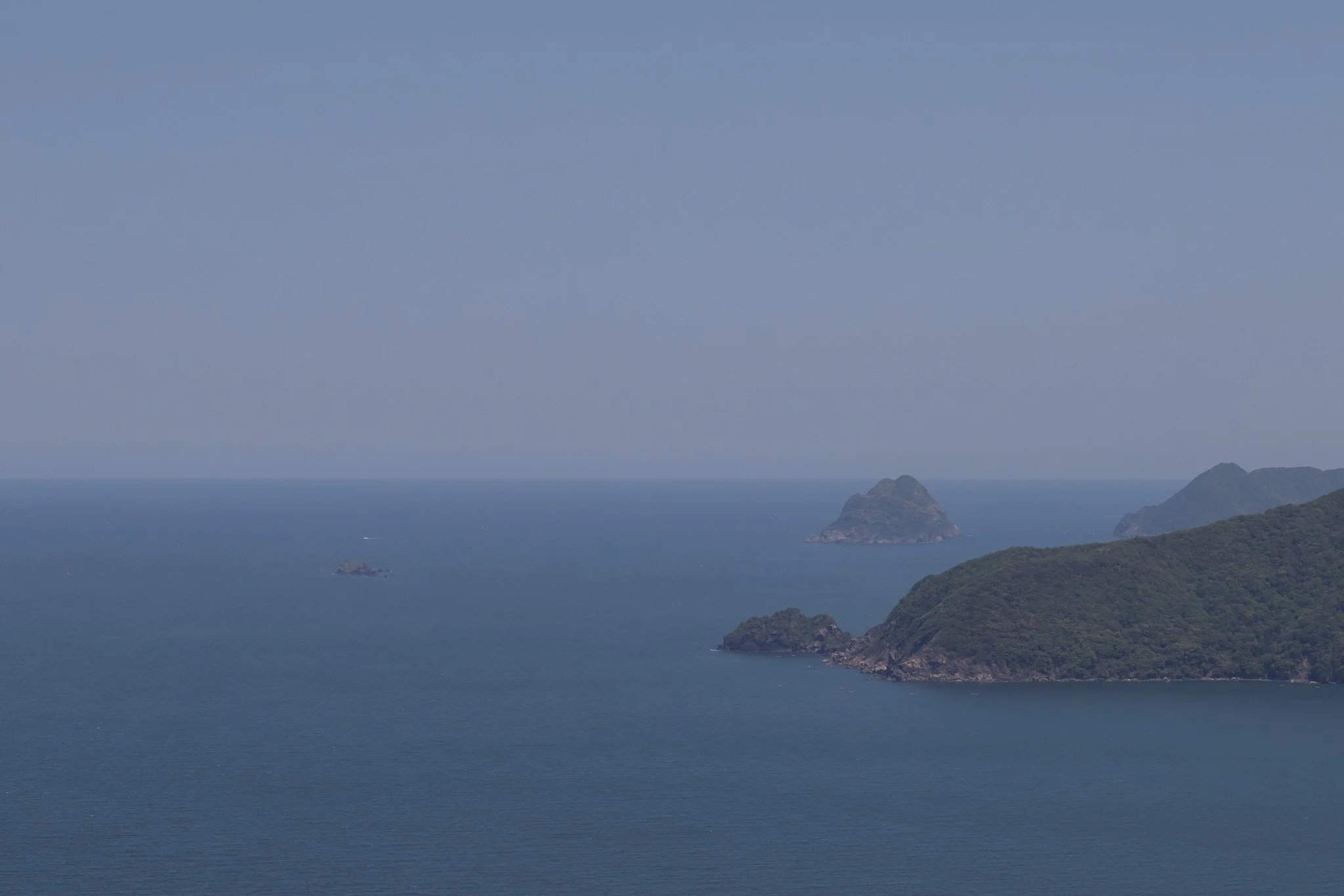
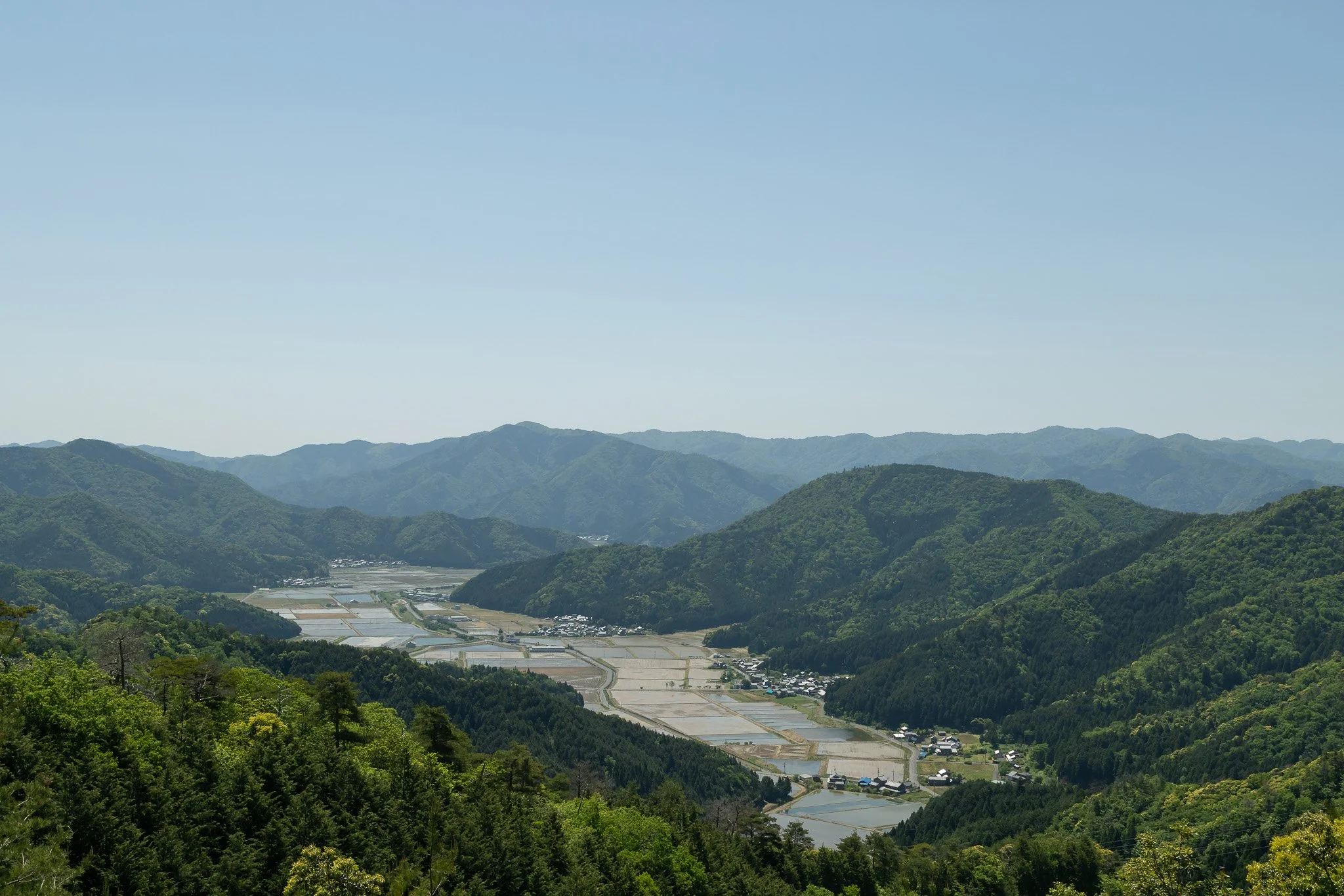
鯖街道は、御食国・若狭と京都を結ぶ複数の街道の総称です。そこは単に鯖を運ぶ道ではなく、海産物や人、文化、信仰が行き交い、長い時間をかけて土地と土地を結び続けてきた道でもあります。
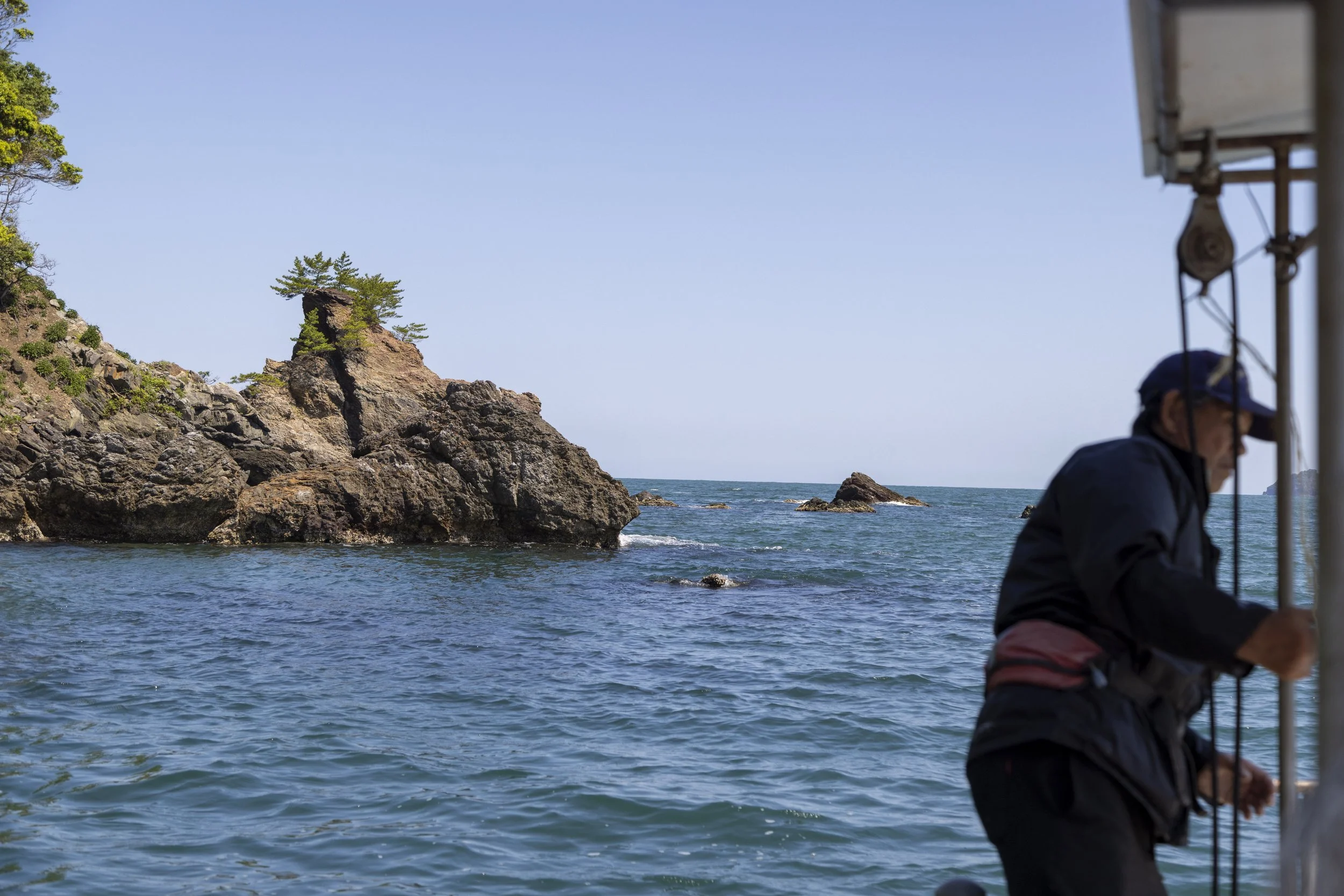
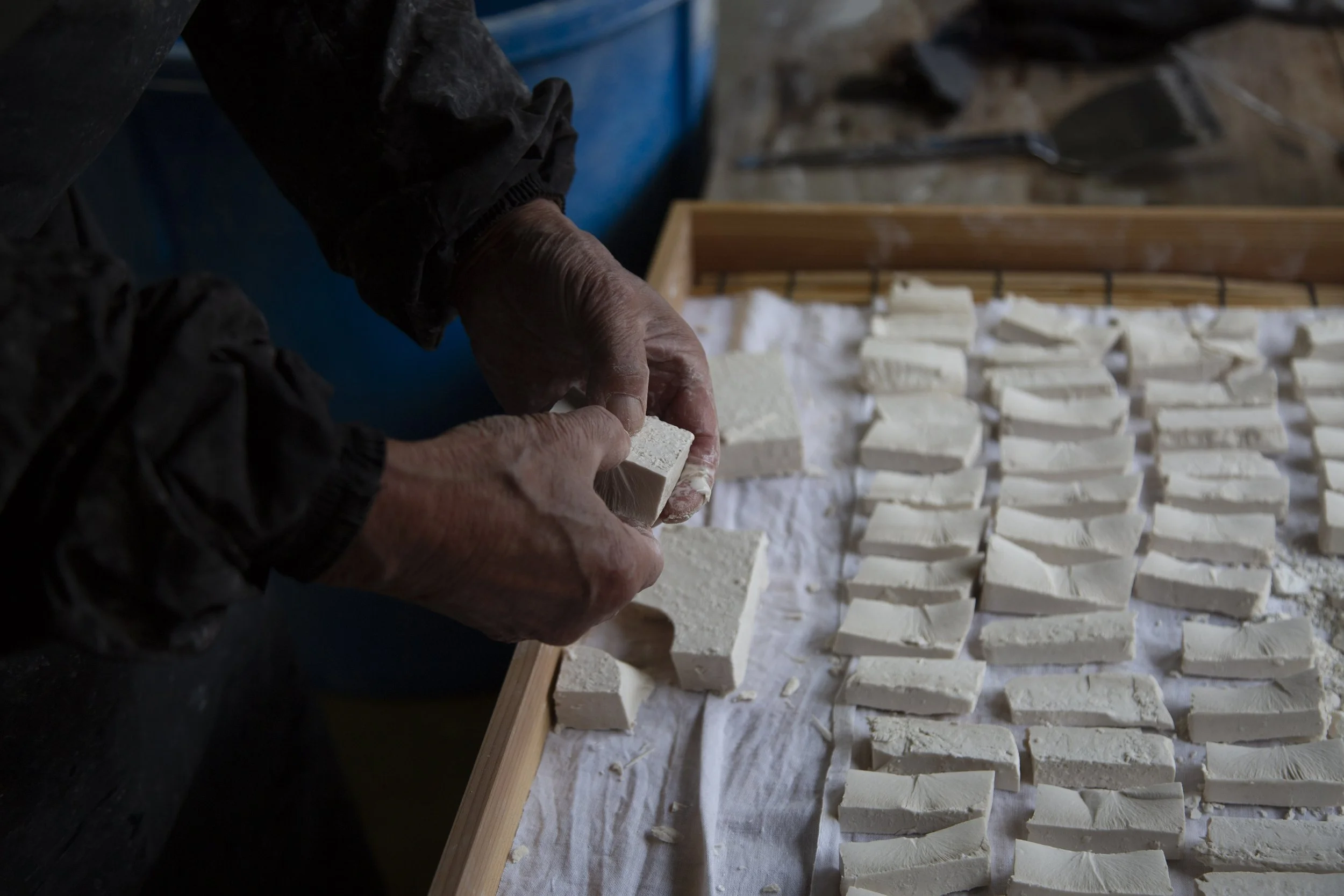
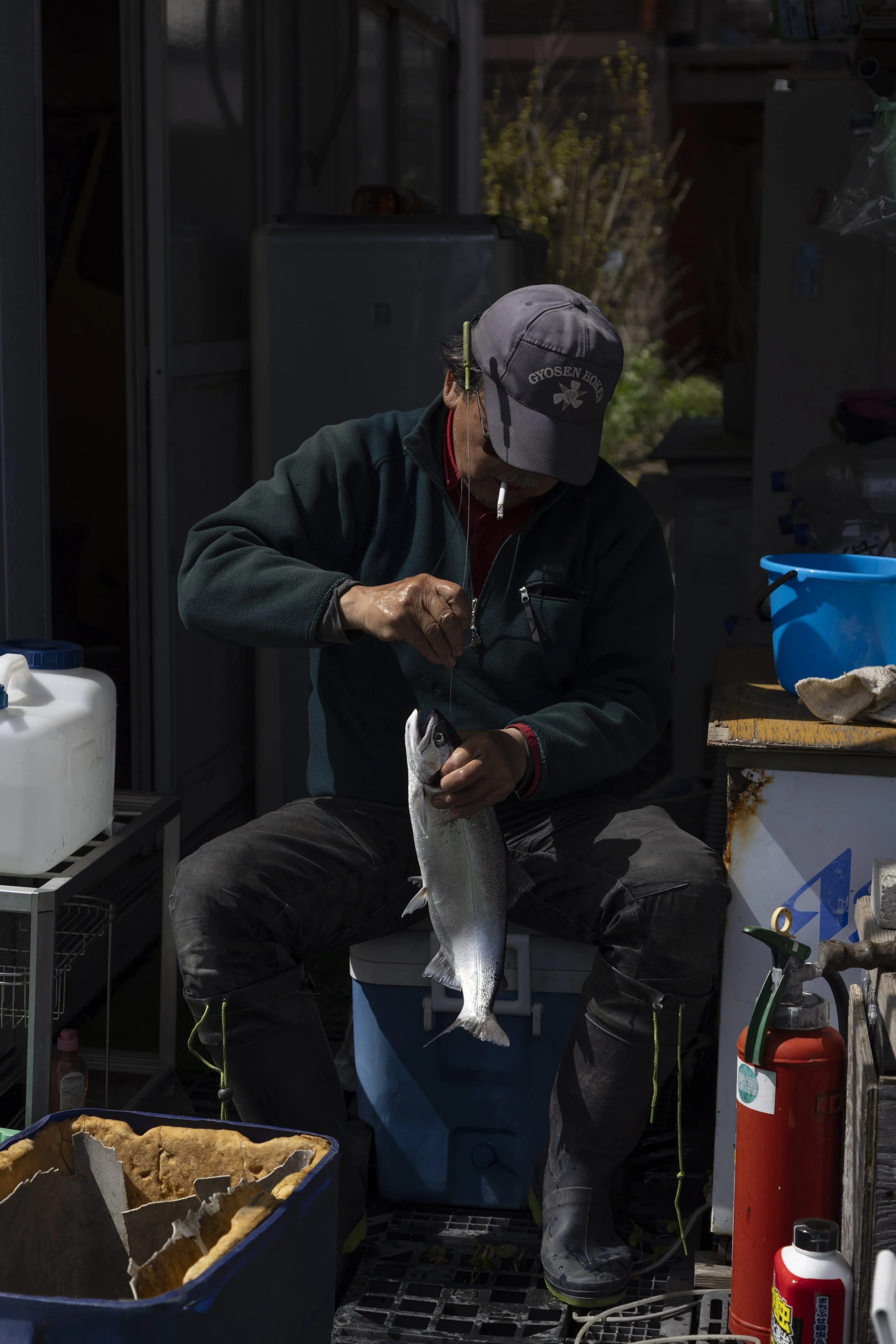
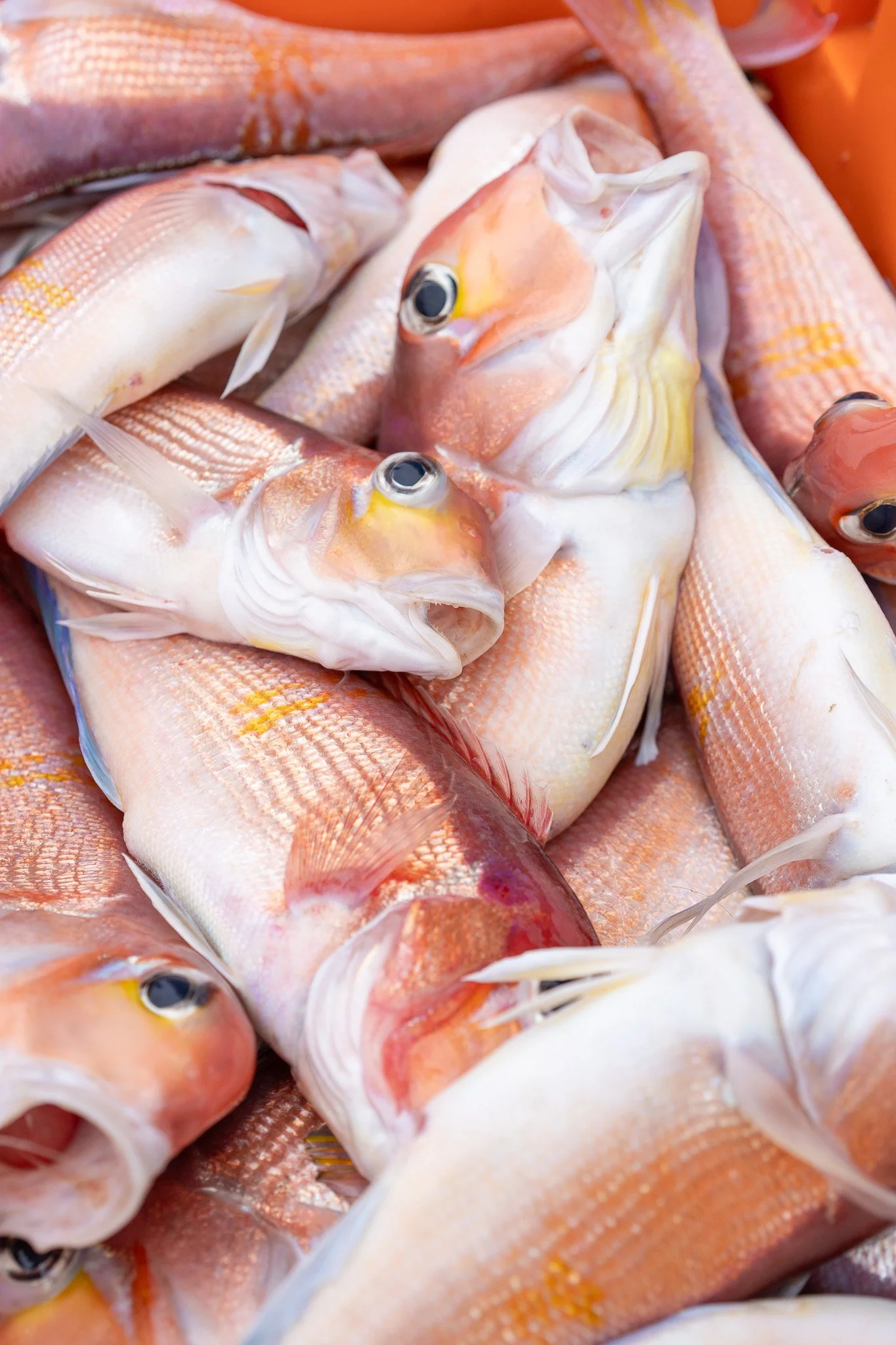
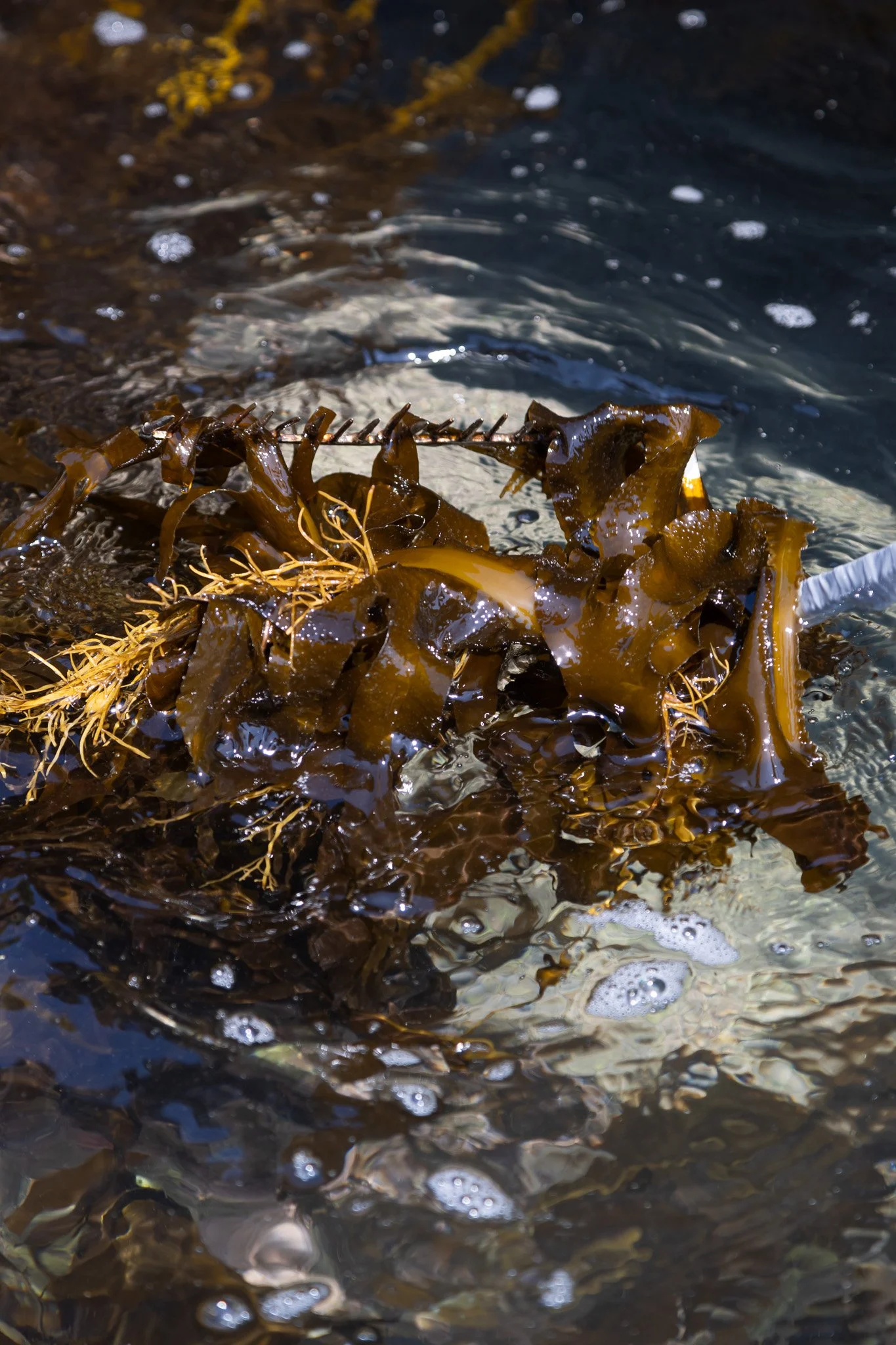
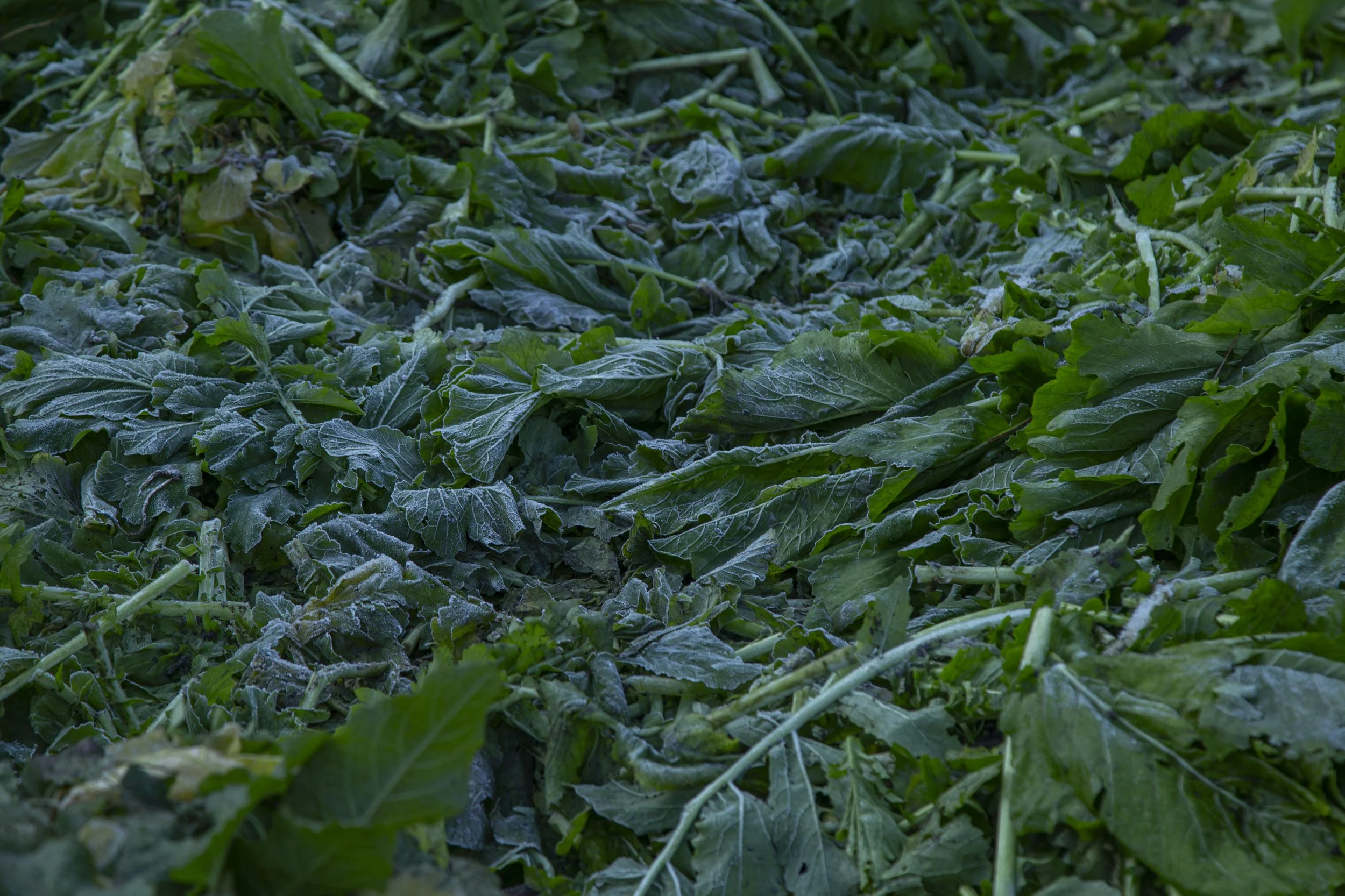
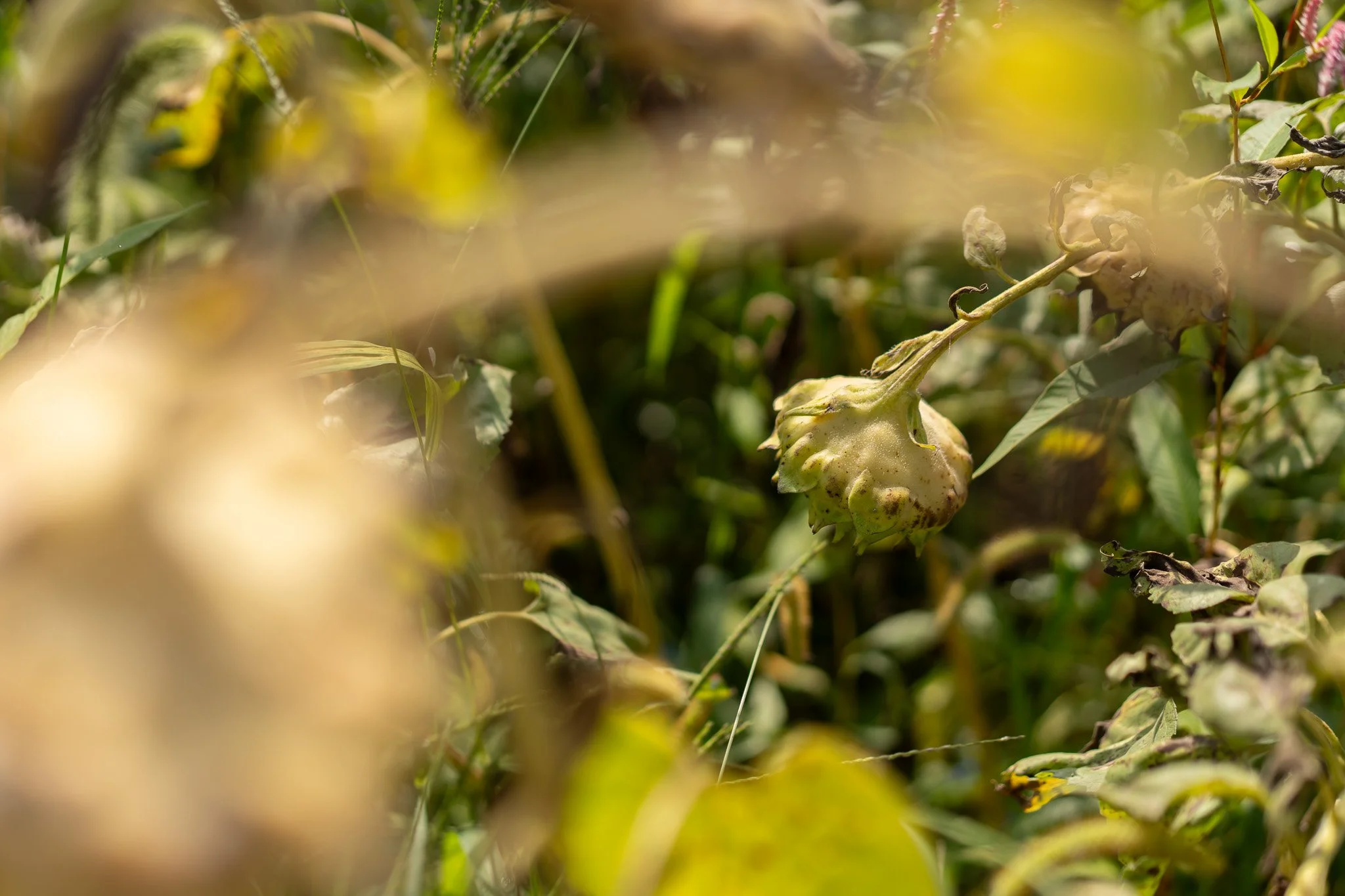
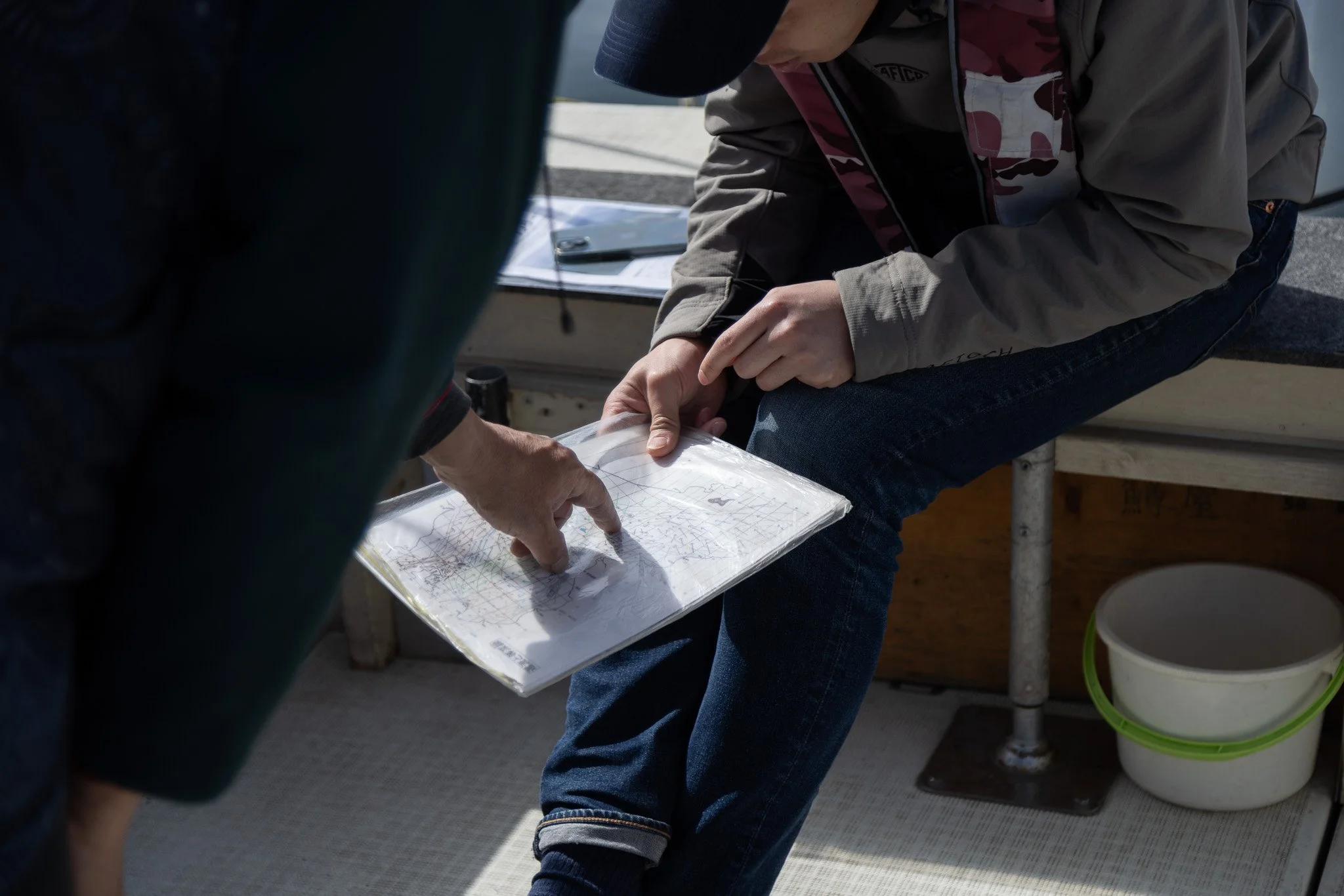
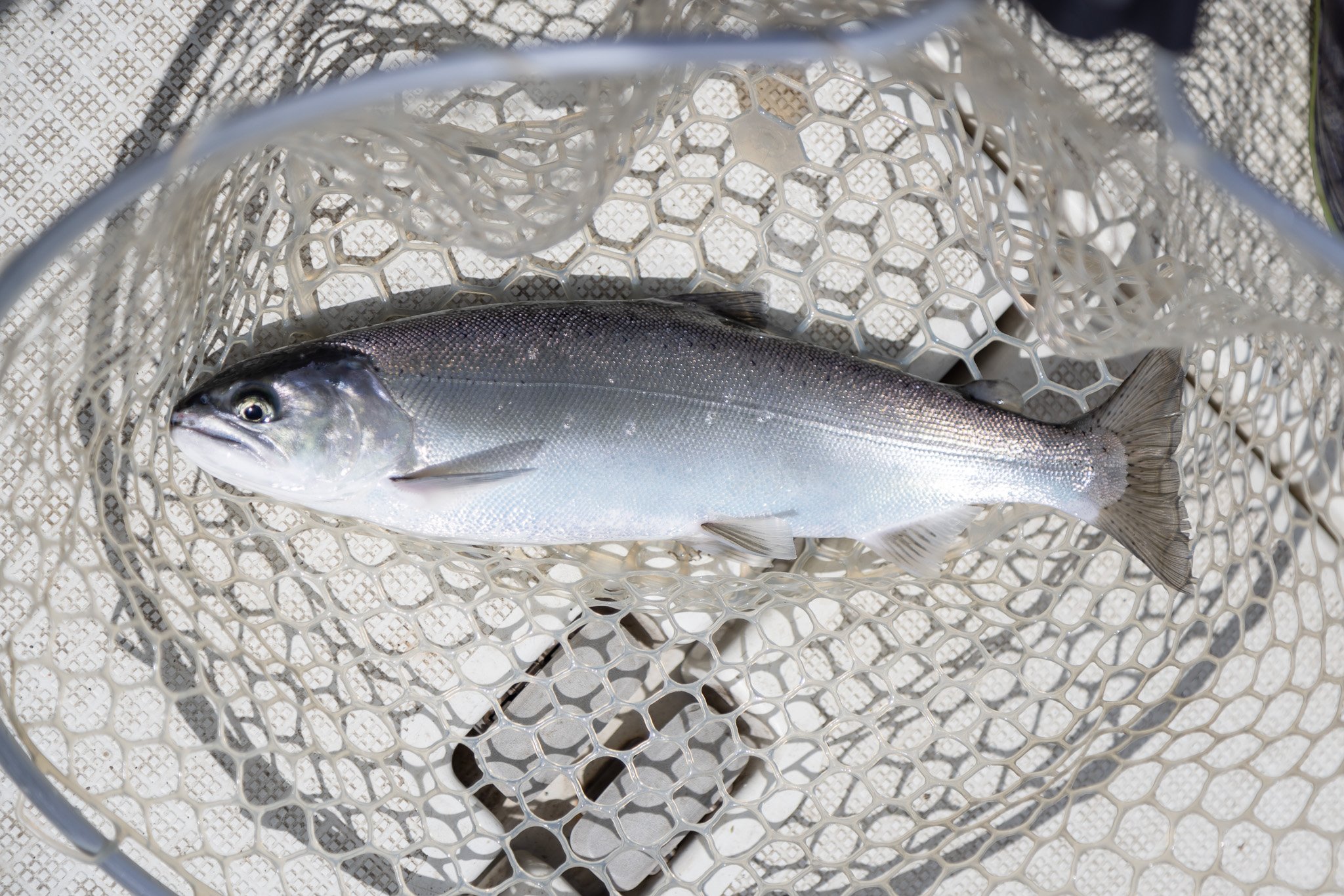
私は料理家・中東篤志さんの新聞連載に同行し、2021年から約2年にわたり、若狭ぐじ、よっぱらいサバ、無川葛、金時人参など、鯖街道沿いの食文化と風景を撮影してきました。土地の食材を追いかけることは、その土地に暮らす人々の営みや季節の循環、歴史の痕跡を辿ることでもありました。
タイトルの《Passes》には、「道」だけでなく、「通過する」「受け渡す」という意味を込めています。古代から現代へ、海から山へ、人から人へと受け継がれてきた文化や記憶は、目には見えなくても確かに流れ続けています。写真は、その流れの一瞬を留める行為であると同時に、土地に積み重なった時間をすくい上げるための媒体でもあります。
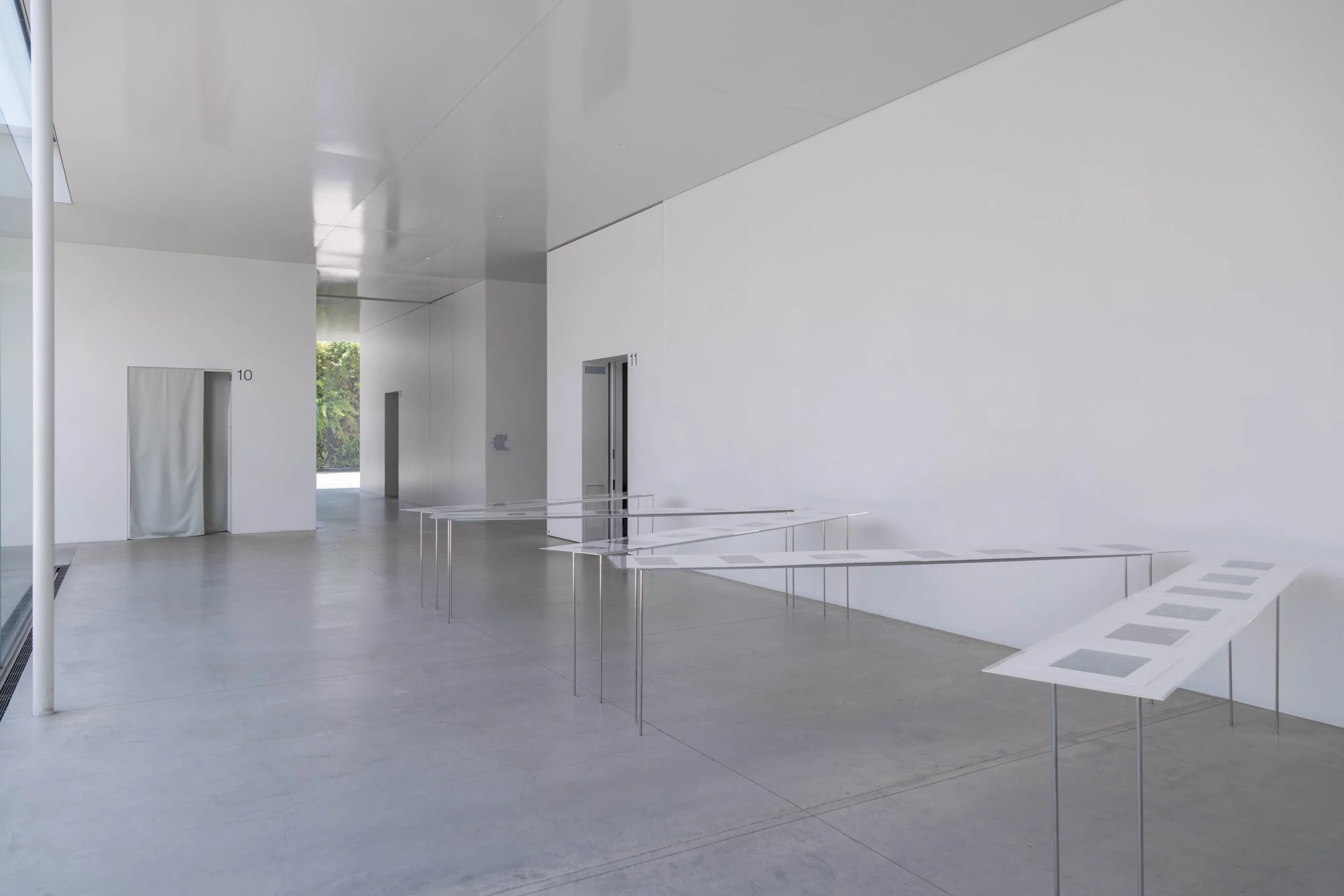
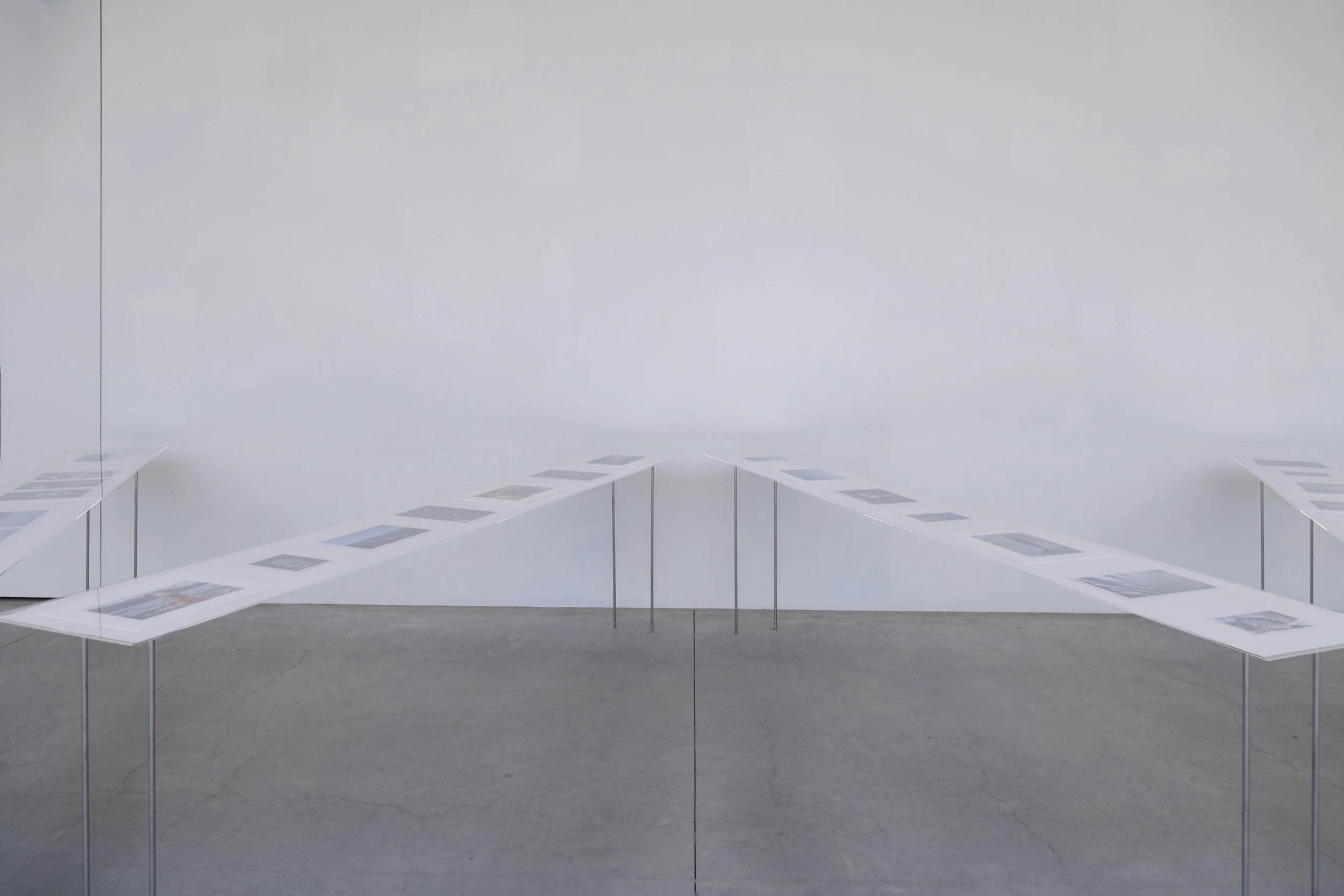
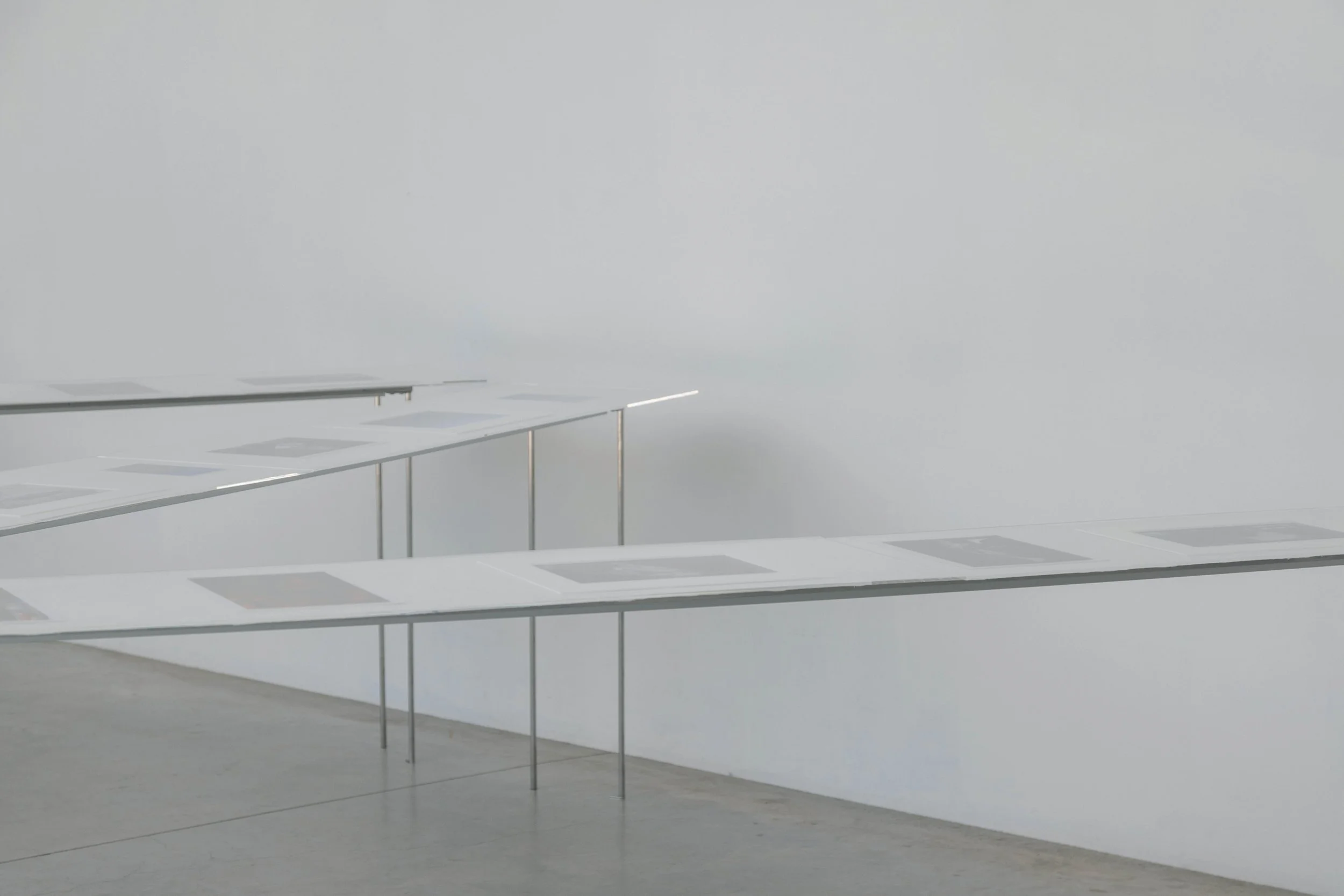
展示では、一枚一枚の写真を街道を歩くように配置しました。鑑賞者が作品の間を移動することで、季節の移ろいや土地の空気、人々の営みがゆるやかにつながり、一つの道が立ち上がります。それは直線ではなく、広がり、交わり、ときに枝分かれしながら続いていく、人々の往来そのものです。
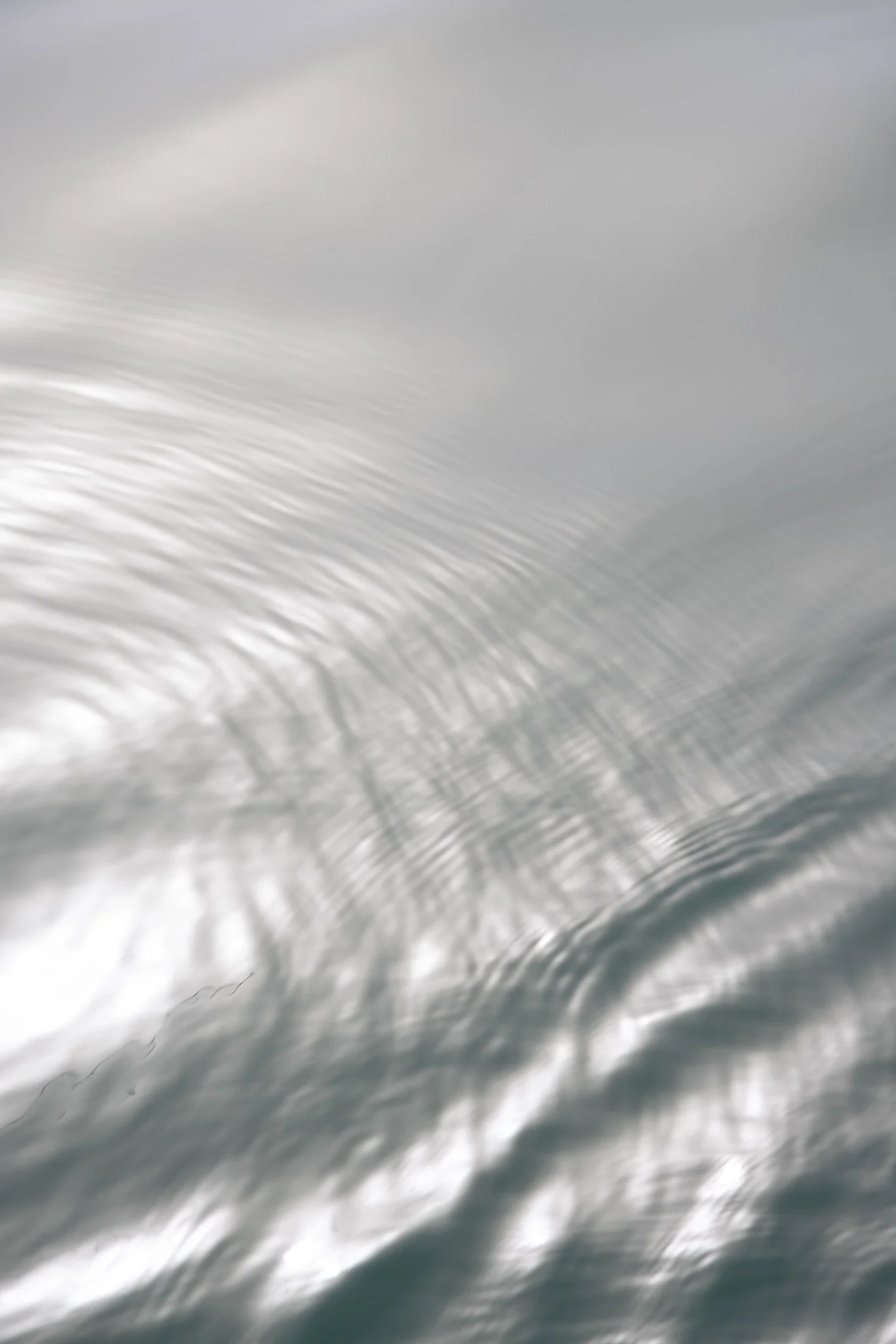
また、写真を振り返る中で、食材を運ぶ「道」の背景には、海や川といった「水」の存在が常にあることに気付きました。古くから水は、人や物資、文化を運び、土地と土地をつなぐ見えない道でもあります。
その気づきから、写真の台紙には越前和紙を用い、水で紙を漉く工程そのものを、水の流れをなぞるように扱いました。古くから人々の暮らしや文化を支えてきた素材を重ねることで、写真に写る風景だけでなく、その土地に受け継がれてきた文化の層や、時間の積み重なりを表現したいと考えました。
この作品は、鯖街道という一本の道を記録するものではありません。土地に刻まれた記憶、人々が受け渡してきた文化、そして自然とともに繰り返される時間の流れを見つめ、その「つながり」を写真によって可視化する試みです。
-
Passes
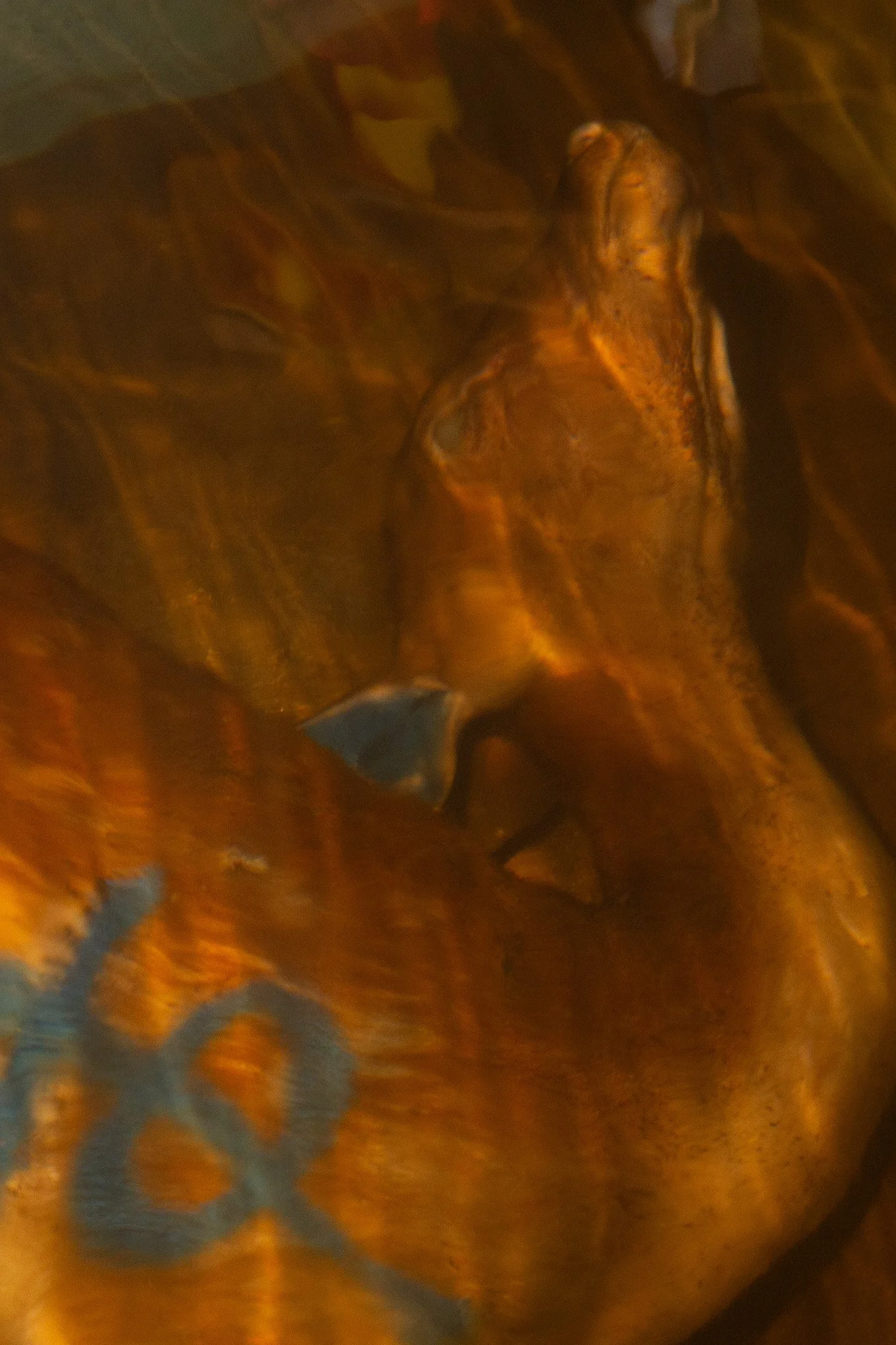
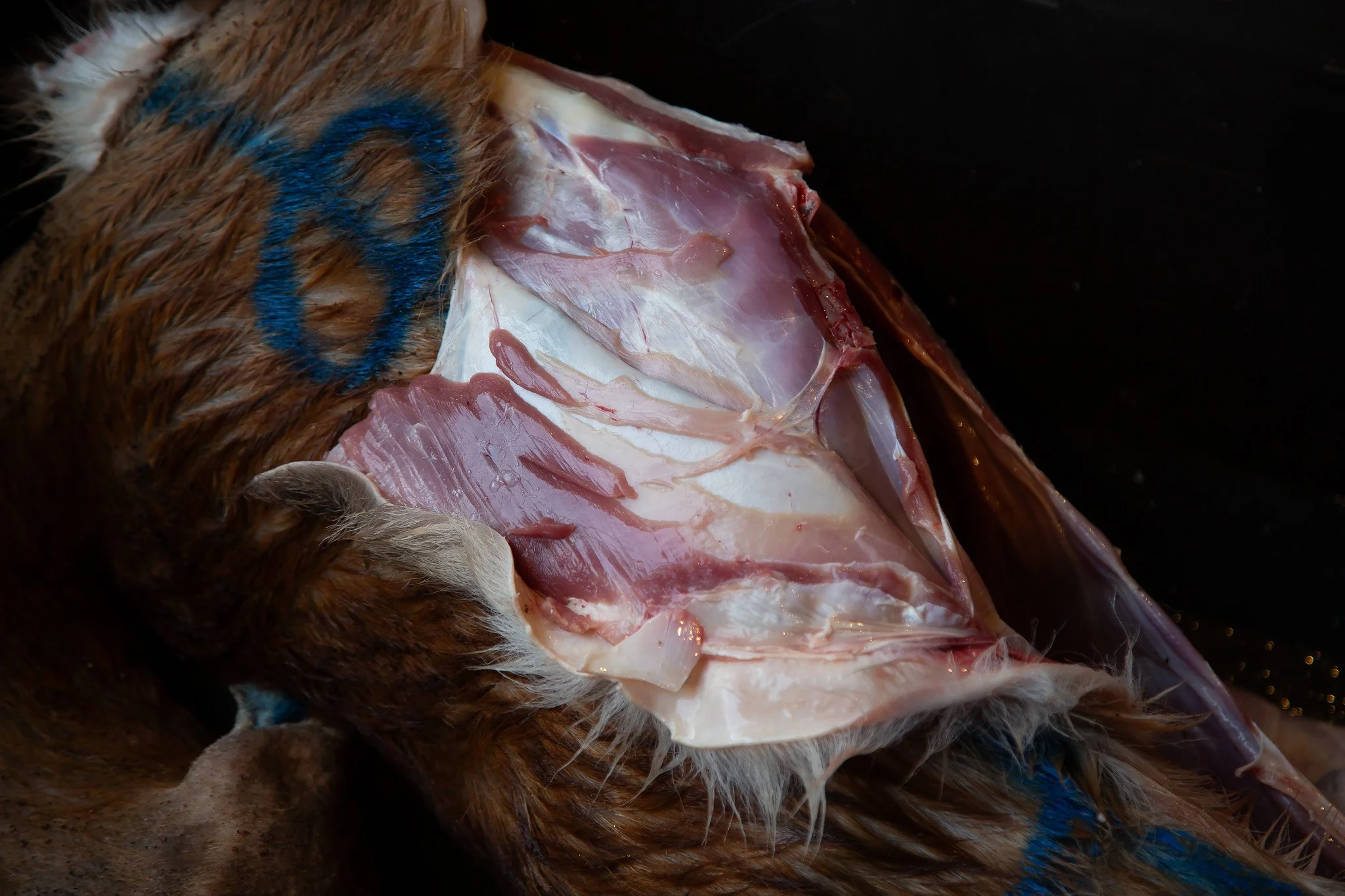
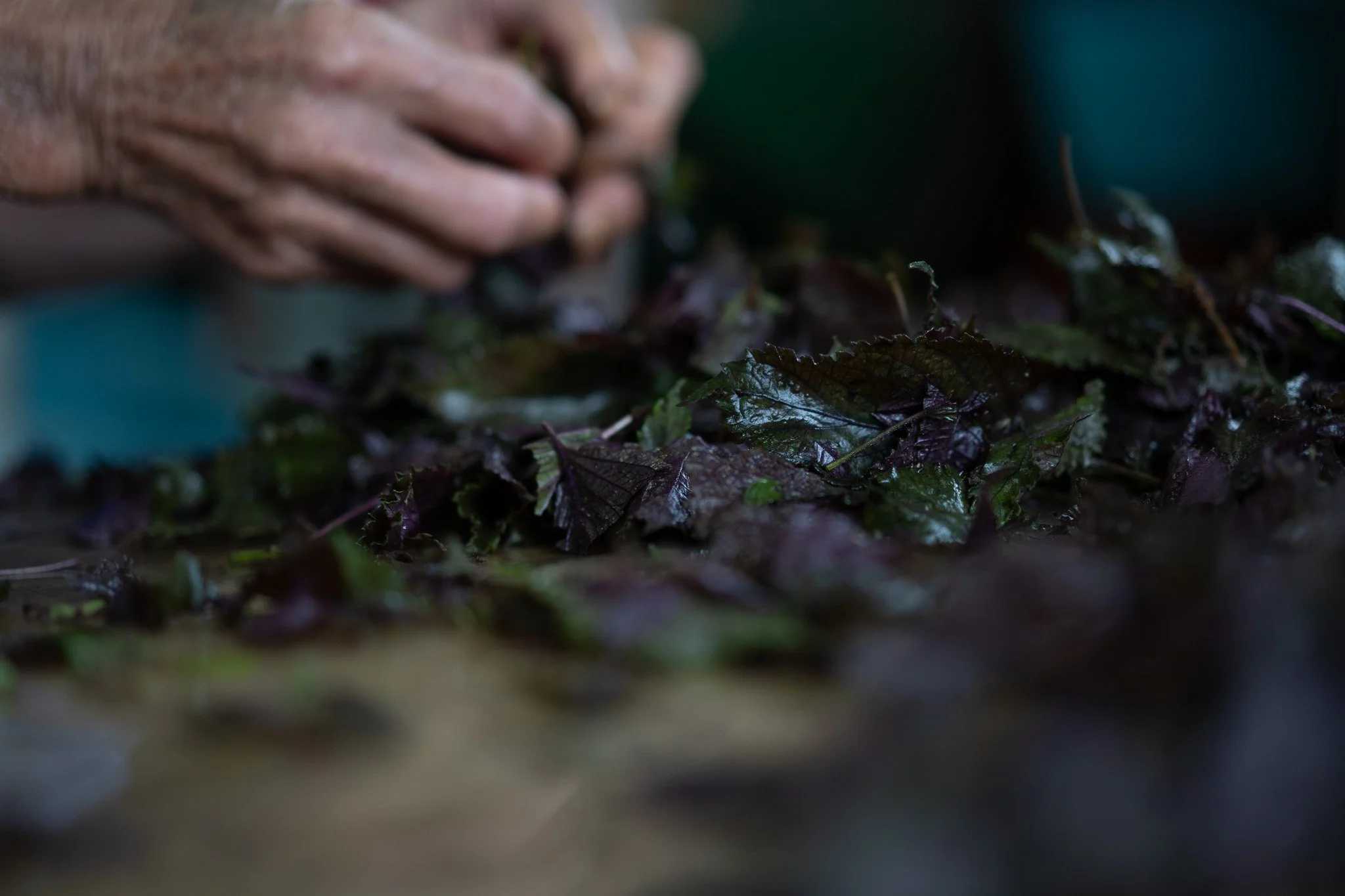
Passes is a photographic series inspired by the Saba Kaidō (Mackerel Road), the collective name for a network of historic routes connecting Wakasa, one of Japan's ancient Miketsukuni ("provinces of royal provisions"), with Kyoto. These routes carried not only mackerel but also a wide variety of seafood, people, beliefs, and cultural traditions. Over centuries, they became arteries through which landscapes, communities, and histories remained connected.
Between 2021 and 2023, I accompanied chef Atsushi Nakahigashi on his newspaper series documenting the food culture of the Saba Kaidō. Together we visited the people and landscapes that sustain regional ingredients such as Wakasa Guchi, Yopparai Saba, Mukawa Kudzu, and Kintoki carrots. Photographing these local foods became a way of tracing the lives of the people who cultivate them, the rhythms of the seasons, and the traces of history embedded within the landscape.
The title, Passes, refers not only to roads or mountain passes, but also to the acts of passing through and passing on. Across centuries, culture and memory have continued to move—from the sea to the mountains, from one generation to the next, and from person to person. Although these invisible currents cannot be seen directly, they continue to shape the present. Photography becomes both a means of preserving a fleeting moment within that flow and a medium for revealing the accumulated layers of time embedded in a place.
The photographs are installed as though walking along the Saba Kaidō itself. As visitors move through the exhibition, seasonal transitions, the atmosphere of the landscape, and the everyday lives of its people gradually unfold and connect, forming a path of their own. Rather than a single straight line, this path expands, converges, and branches, reflecting the living process through which people have continually created and transformed these routes.
While revisiting the photographs, I came to realize that behind every road used to transport food lay the constant presence of water—the sea and the rivers that have always sustained movement. Since ancient times, water has carried people, goods, and culture, forming an invisible network that connects one place to another.
This realization led me to mount each photograph on Echizen washi, a traditional handmade Japanese paper. In making the paper, I treated the process of scooping pulp with water as an act that follows the movement of flowing water itself. By incorporating a material that has long supported everyday life and cultural practice in Japan, I sought to express not only the landscapes depicted in the photographs, but also the cultural strata and the accumulation of time that continue to inhabit the land.
Passes is not simply a record of a historic route. It is an exploration of the memories embedded within the landscape, the culture passed from one person to another, and the cyclical flow of time shared by both people and nature. Through photography, the work attempts to make these invisible connections visible.
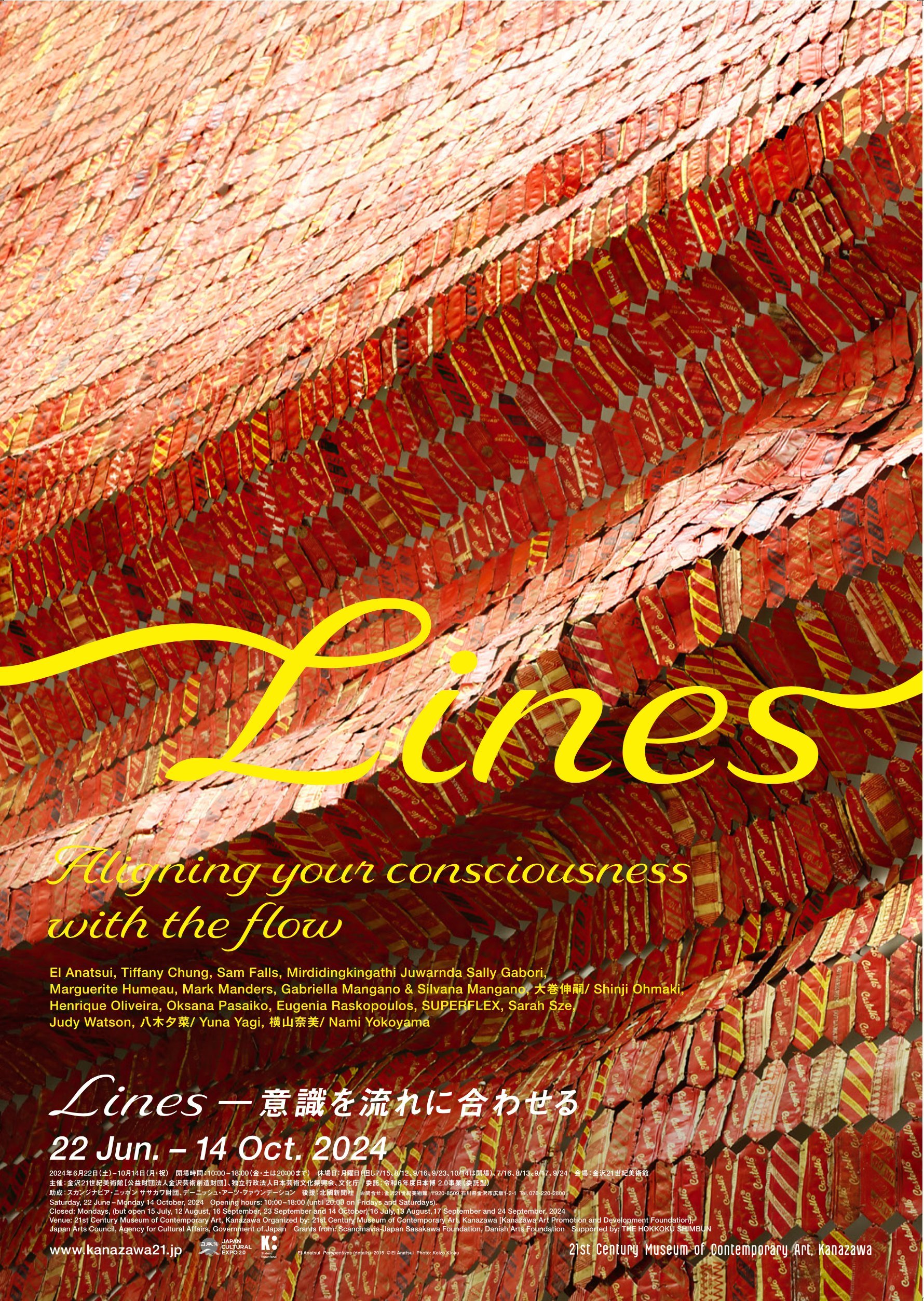
Venue : Kanazawa 21st Century Museum
Location : Kanazawa City, Ishikawa
Date : 2024. 6. 22 – 10.14
Exhibition Title : Lines-意識を流れに合わせる
Curator : Hiromi Kurosawa
Cooperation : Osada Washi Co.,Ltd, Toshiyuki Nakagawa Architects
Special thanks : Atsushi Nakahigashi, Hirotaka Kawamata